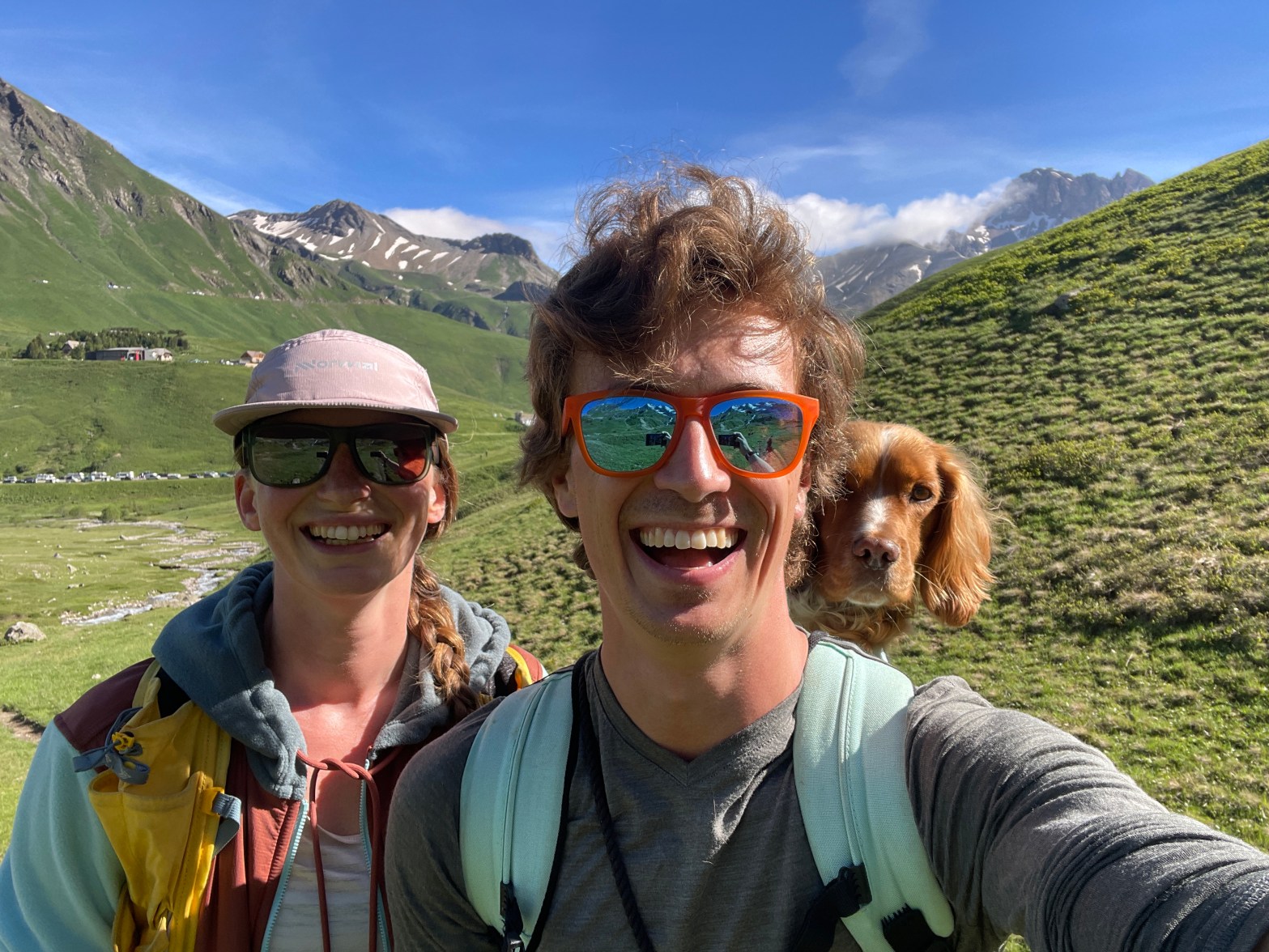
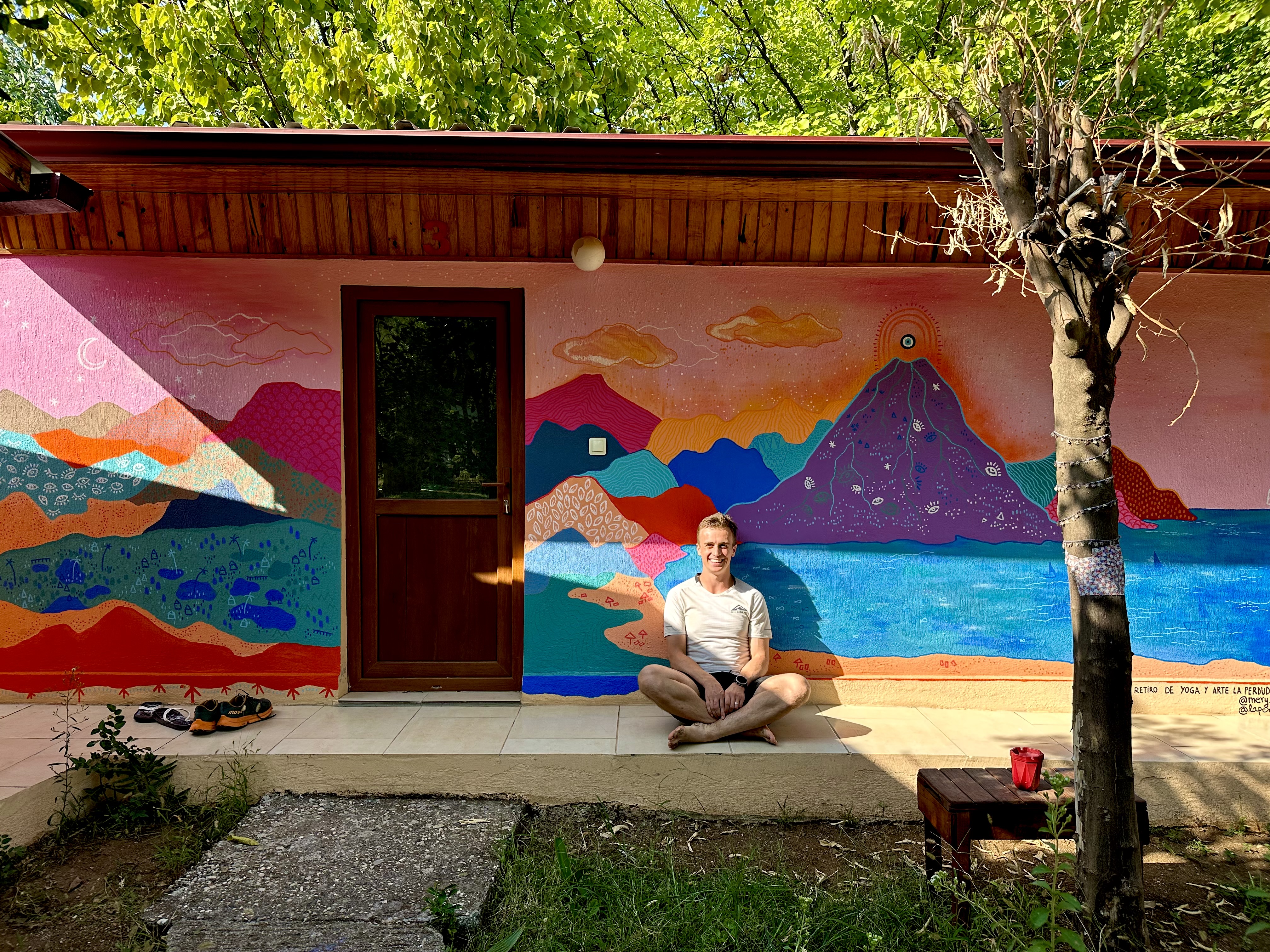
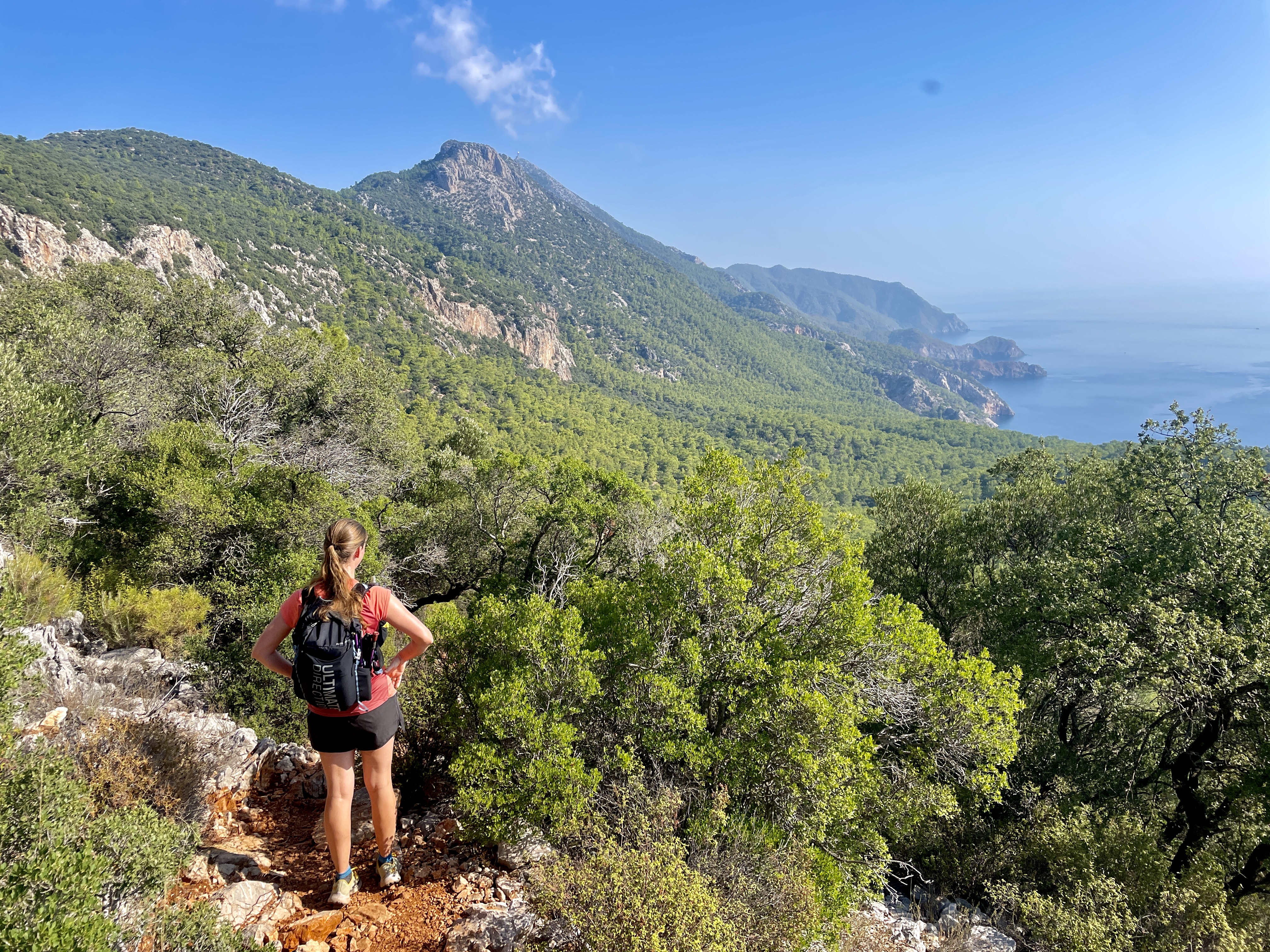
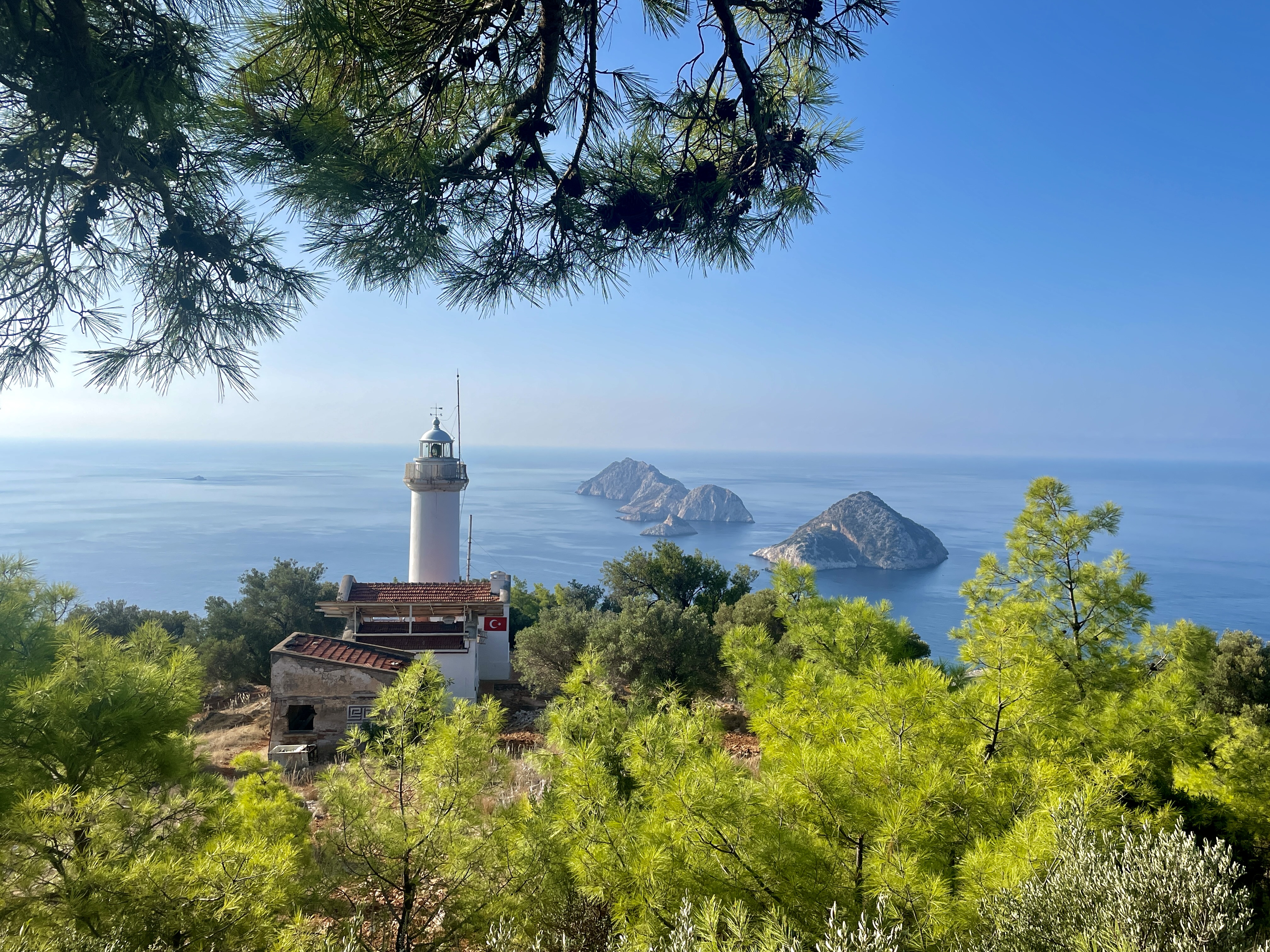
Sitting on a warm balcony overlooking the shimmering Mediterranean Sea, our running clothes hanging from the railings, my wife and I discussed everyone’s favourite topic: the future.
We were about halfway into our fastpacking trip along the Lycian Way (a longer story is coming on that, but you can read the preparation blog here) relaxing on our rest day in the town of Feltre. It was our honeymoon, and the longest time either of us had taken away from work in the four years we had been together.
This conversation had started several months before the trip: “What do we really want to do?” Everyone asks it from time to time; it’s the niggling thought that approaches us in the dark as we lie awake, creeping in silently before tapping us on the shoulder and asking, “What’s it all for?”
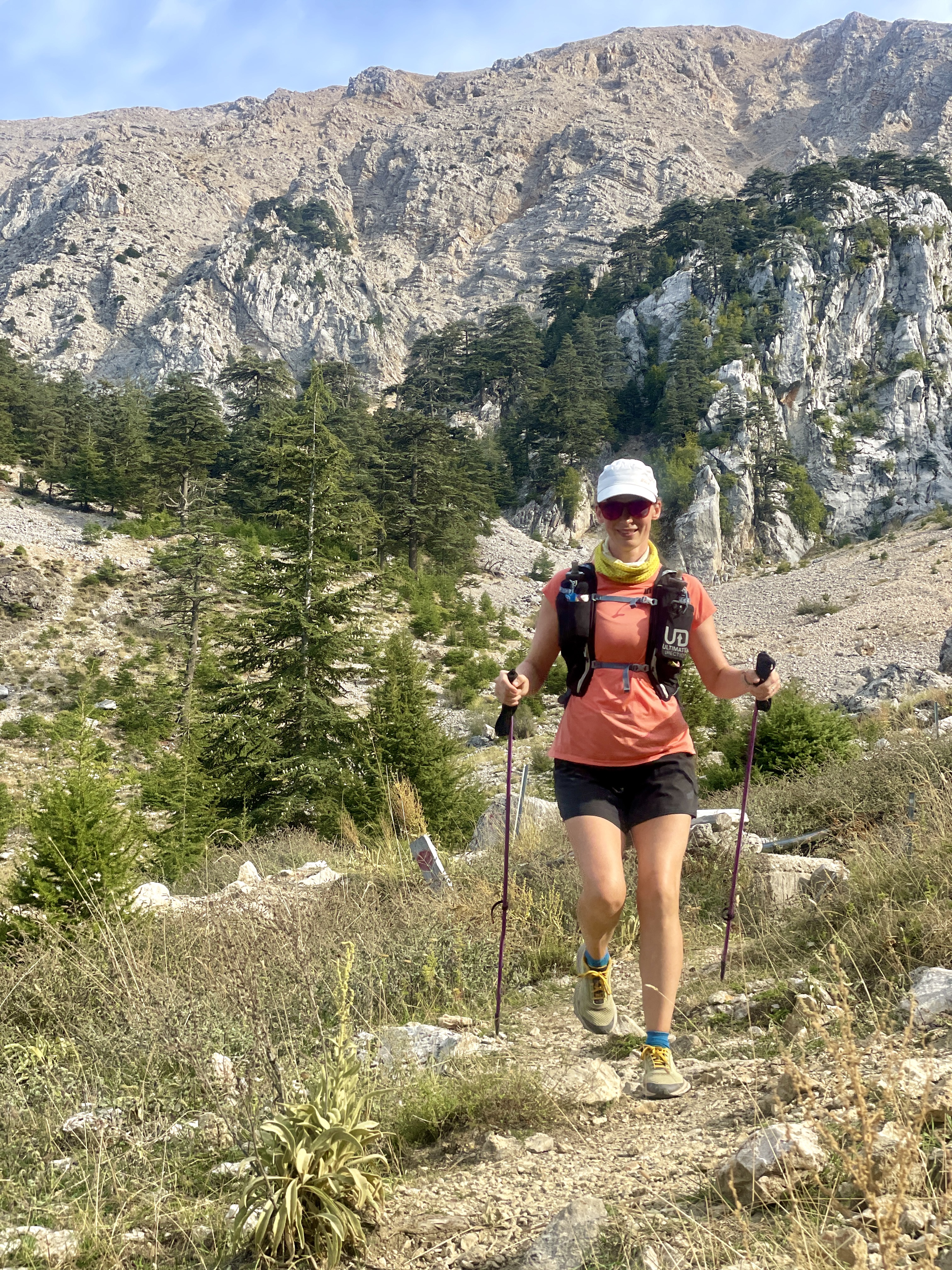
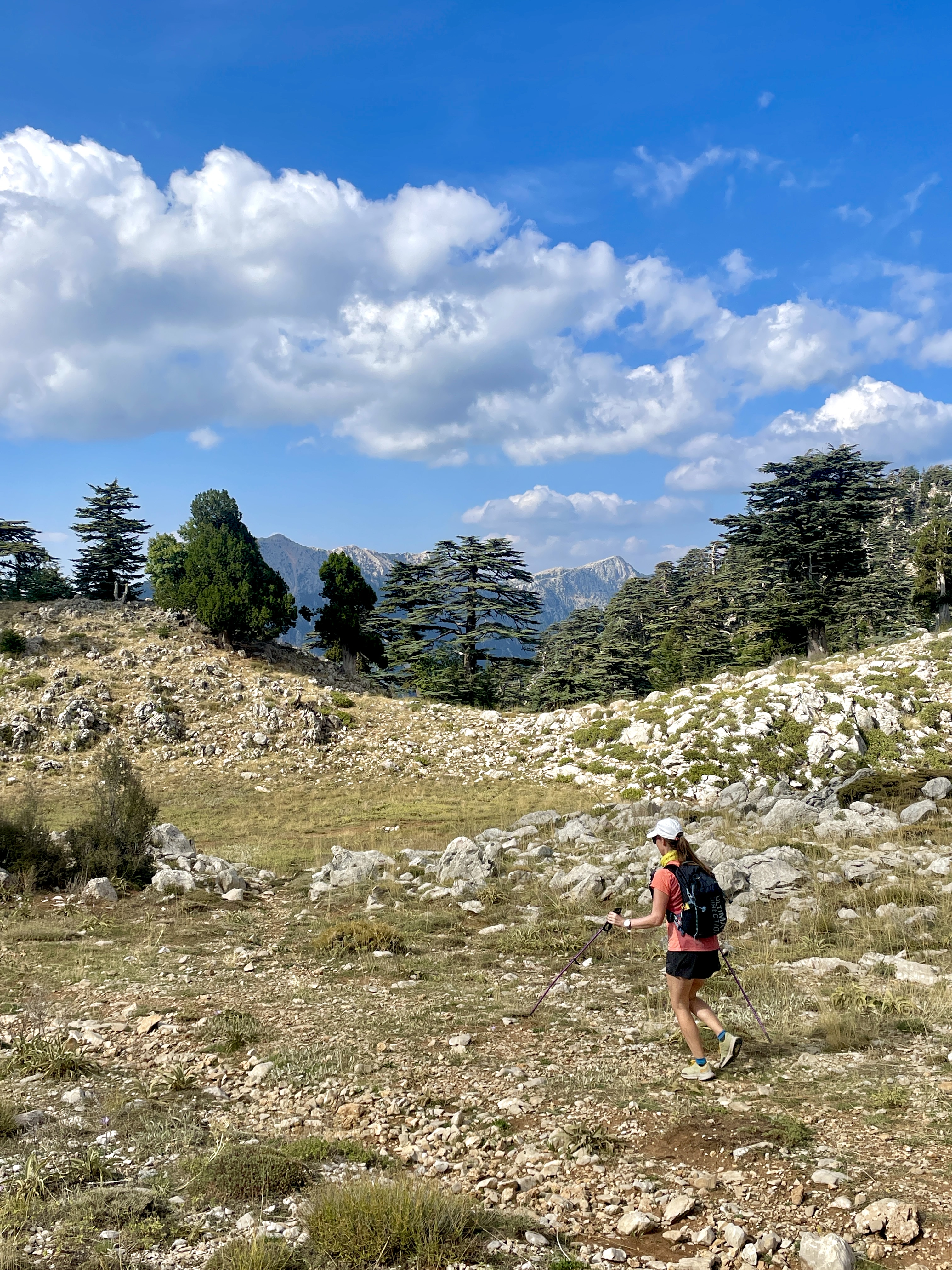
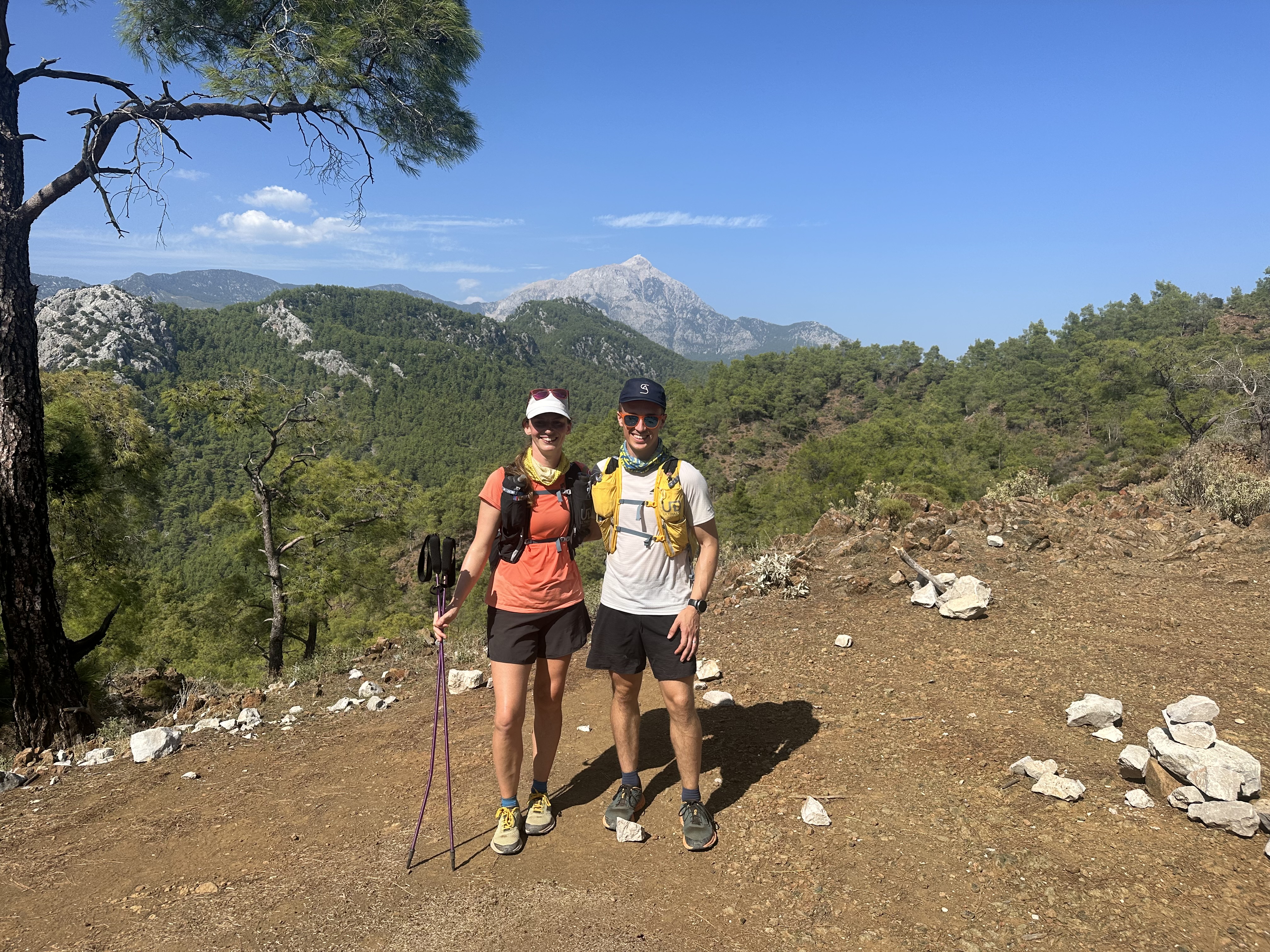
For all intents and purposes, we had pretty much everything we could be happy with. We both had jobs, a house in the Lake District, a dog – above all, we were incredibly content. As with any journey, though, there comes a point where you want to be moving in a direction. It’s not necessarily a goal or end, but a desire to take hold of the narrative of your life rather than let it wash over you.
One idea kept coming to the surface: living in a van. Bo, who is far more the traveller than me, was eager to explore. Ever the hobbit, the idea of uprooting my life for the unknown brought a clenching sensation to my stomach. Like any unexpected journey, however, it requires faith to take the first steps and trust that this is simply the first door to open into a myriad of possibilities. Maybe putting a dog-ear in the book of our regular life was what we needed.
“I think we should do it”, I said on the balcony. “I think I need to do something that scares me.”
First steps
Leaving the sunny shores of Türkiye behind, we began the search for our new home. The first challenge was not being swept up by being excited upon seeing the first few vans. There was an element of scarcity mindset when we viewed some vans, afraid we might lose out on the few which a) Fitted our budget, b) Were in good condition, c) Met our needs in terms of conversion.
We toyed with the idea of building our own van, but the time required to turn something around for January would have seen both of us leave our jobs two months earlier than planned – not to mention learning everything about converting a van in that time.
After a few disappointments and a sense we were scraping the barrel of opportunities, I took another look at QuirkyCampers. For a long time, we had avoided heading to London to view a van, simply because the cost of a train combined with the risk of disappointment seemed an expensive gamble.
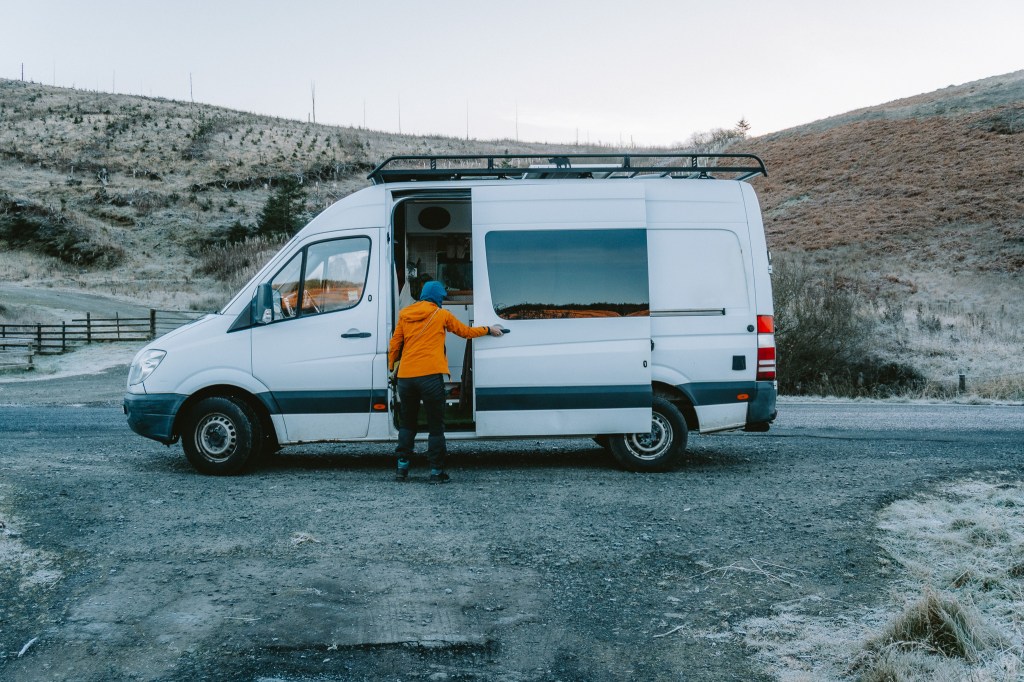
Bo was on a backpacking trip in Spain when I found a van in London which fitted our every requirement. All it needed was a test drive. I contacted the sellers, ensuring the van would still be there when I got down from Kendal, and bought a one-way train ticket to London.
It didn’t take long for me to make the phone call to Bo: “This is our van.”
The big leap
As we worked out our notice periods, we began turning Ziggy (the name we gave to the van) into a home. There wasn’t much for us to do, but we wanted it to feel like our own. In the meantime, I found some freelance work with a group called The Green Runners, which would support us on our journey across Europe.
Leaving our jobs was one of the scariest parts of our preparation. The doubts clamour for attention: Can we still afford it? What do we do about the ‘gap’ in our CV? What if another opportunity comes up? Will we get a job when we come back? What about the house?
Thankfully, we did both manage to find some freelance work. At this point, though, a strange calm came over me. I remember my gran would often say, “What’s for you will not go by you.” In some ways, it’s a declaration of trust that things will work out, and over the years each of us has found we trust ourselves enough to find those opportunities wherever they are.
As for the house, we thankfully found two excellent tenants, dodging the need to put the house on Airbnb (something we were reluctant to do).
And so it was, after several months of preparation, we set sail to the Netherlands on 5 February 2024. The real journey was underway.
Making memories
As I write this, the sun is beating down on Passo Fedaia, over 2000m above sea level in the Dolomites. It’s 173 days since we caught that ferry and so much has happened.
We spent almost two months exploring the Iberian peninsula, cycling on gravel roads and running to snowy cols. At one point, we were skiing at 3000m in the Sierra Nevada one day and riding through the Gorafe Desert the next, sand and gravel crunching beneath us where there had so recently been snow.
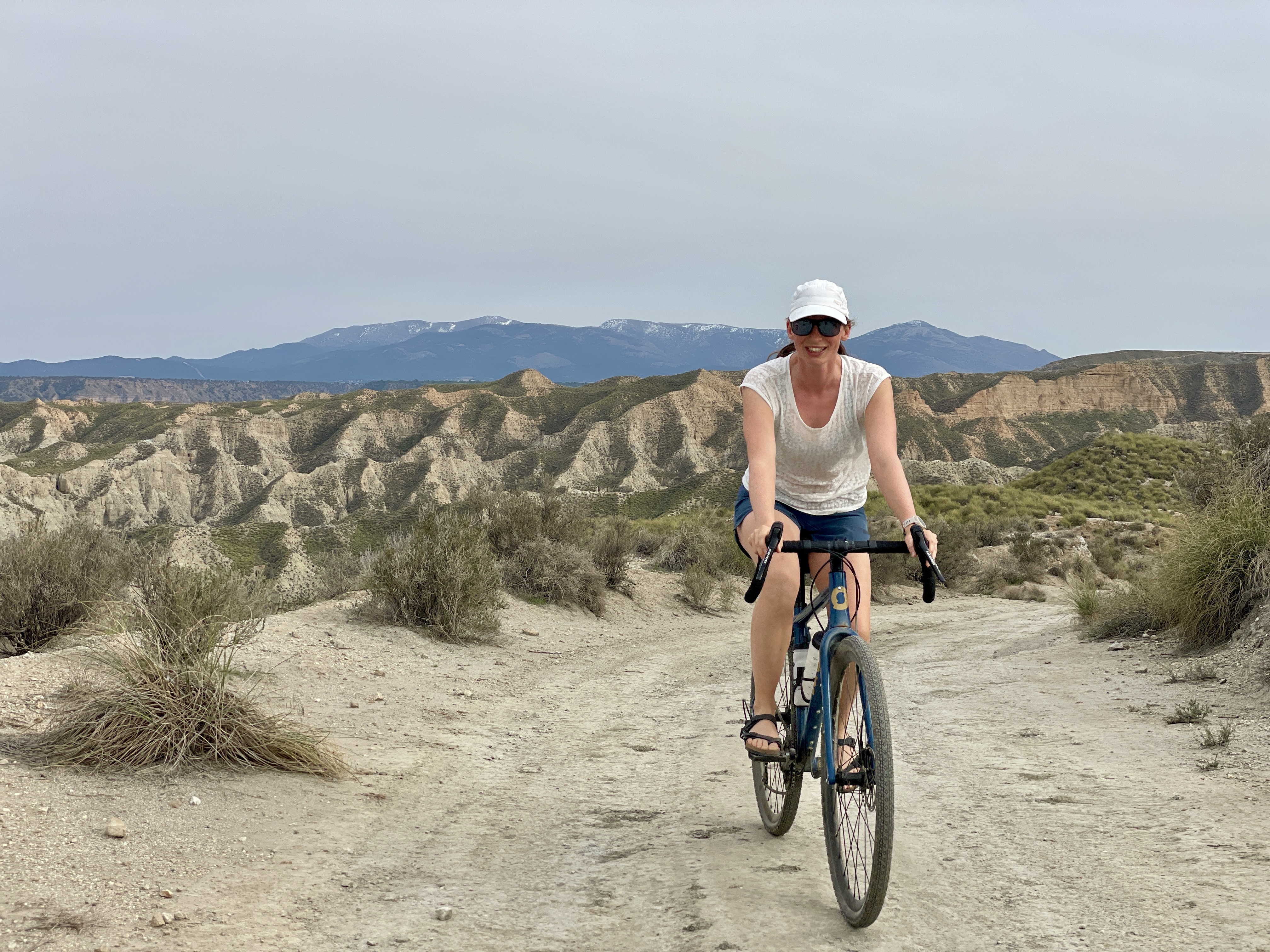
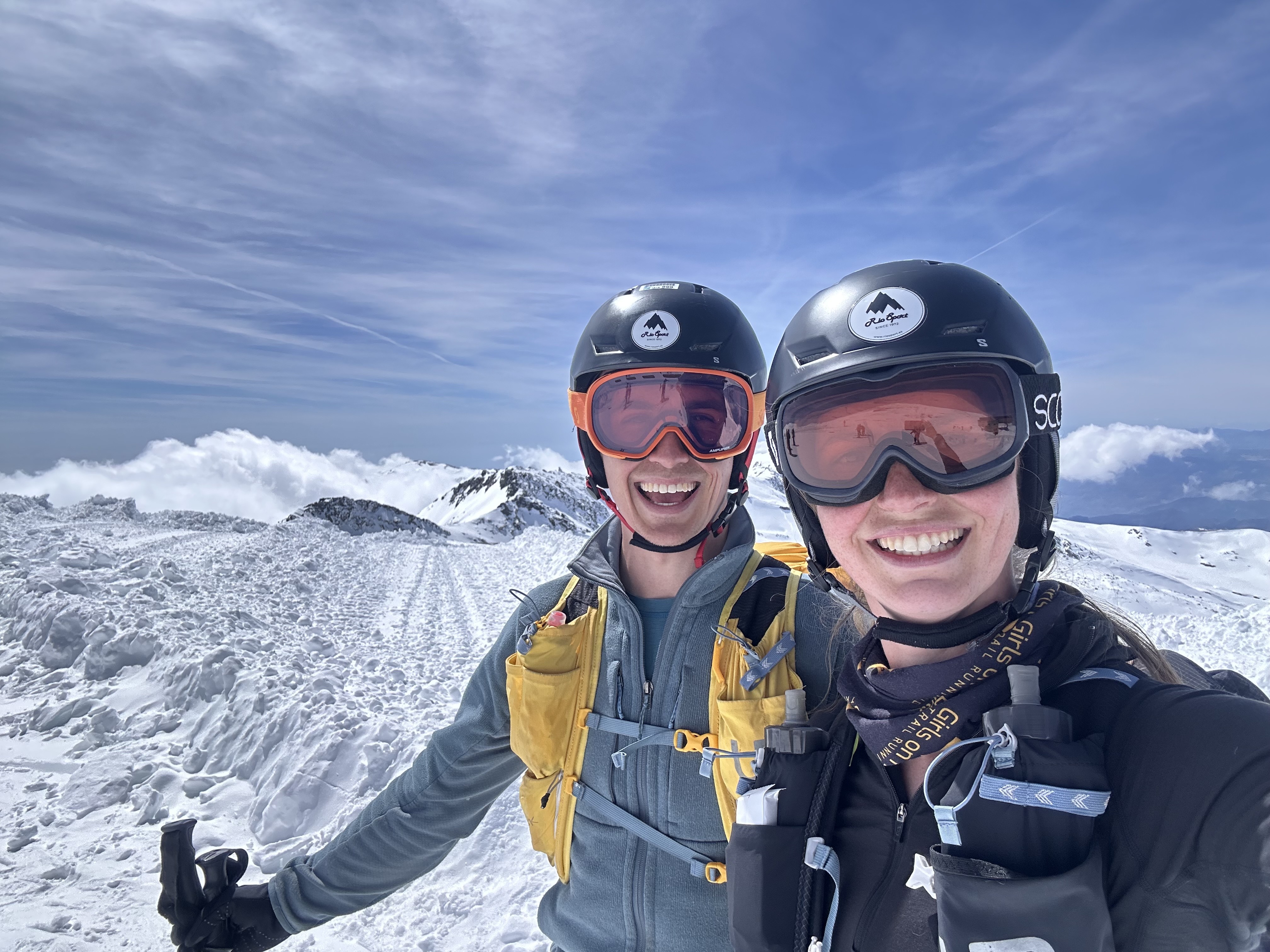
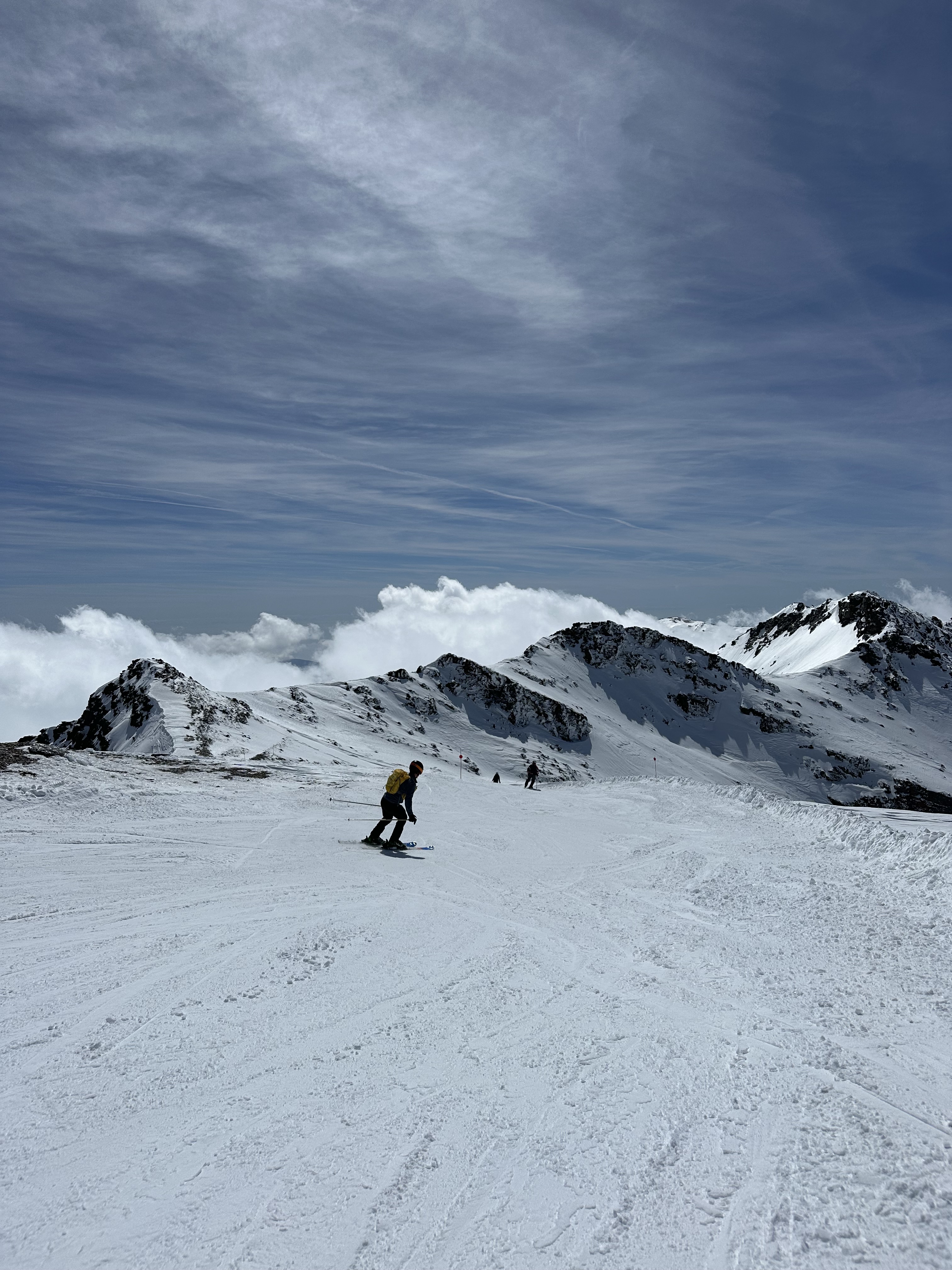
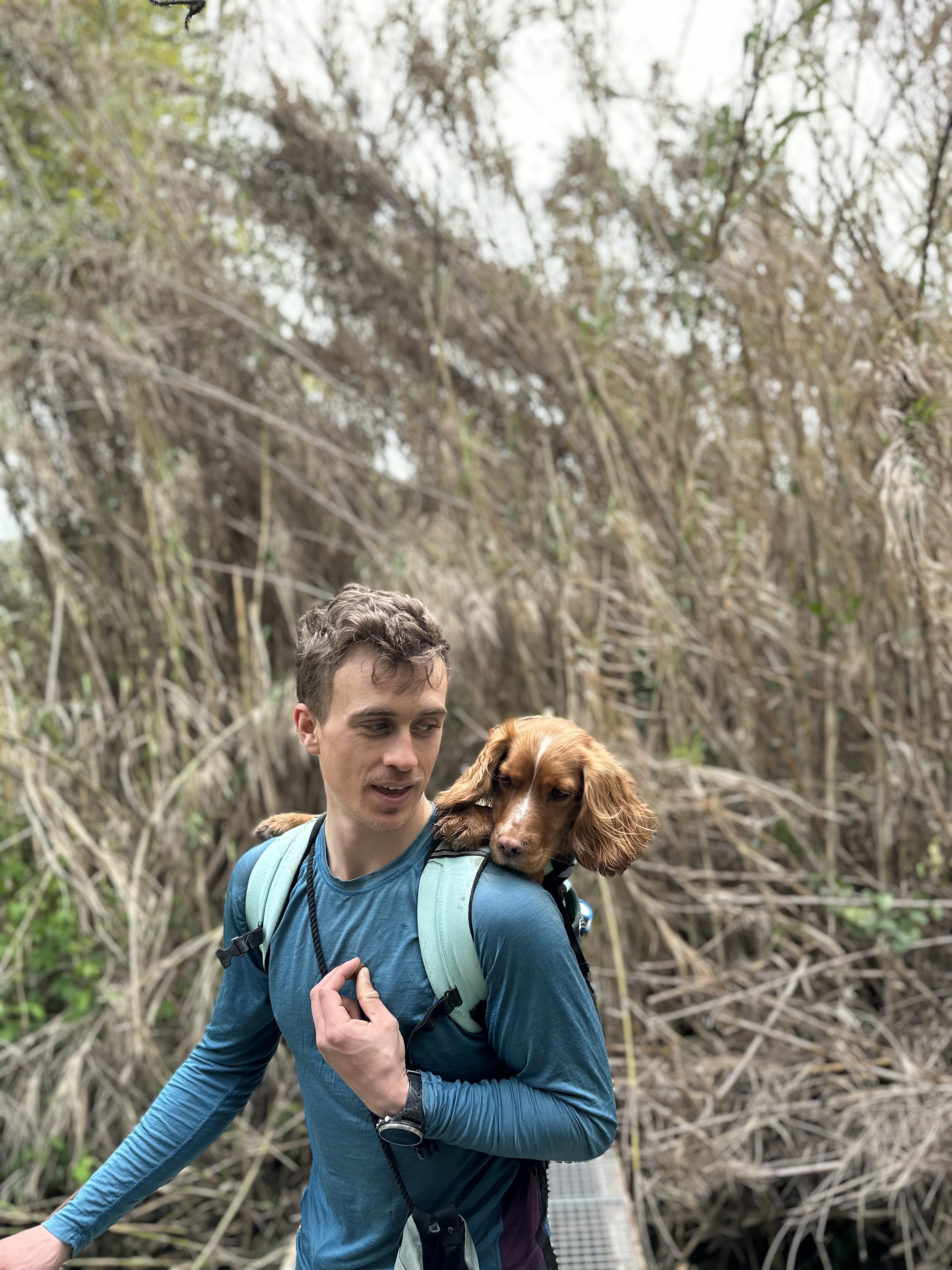
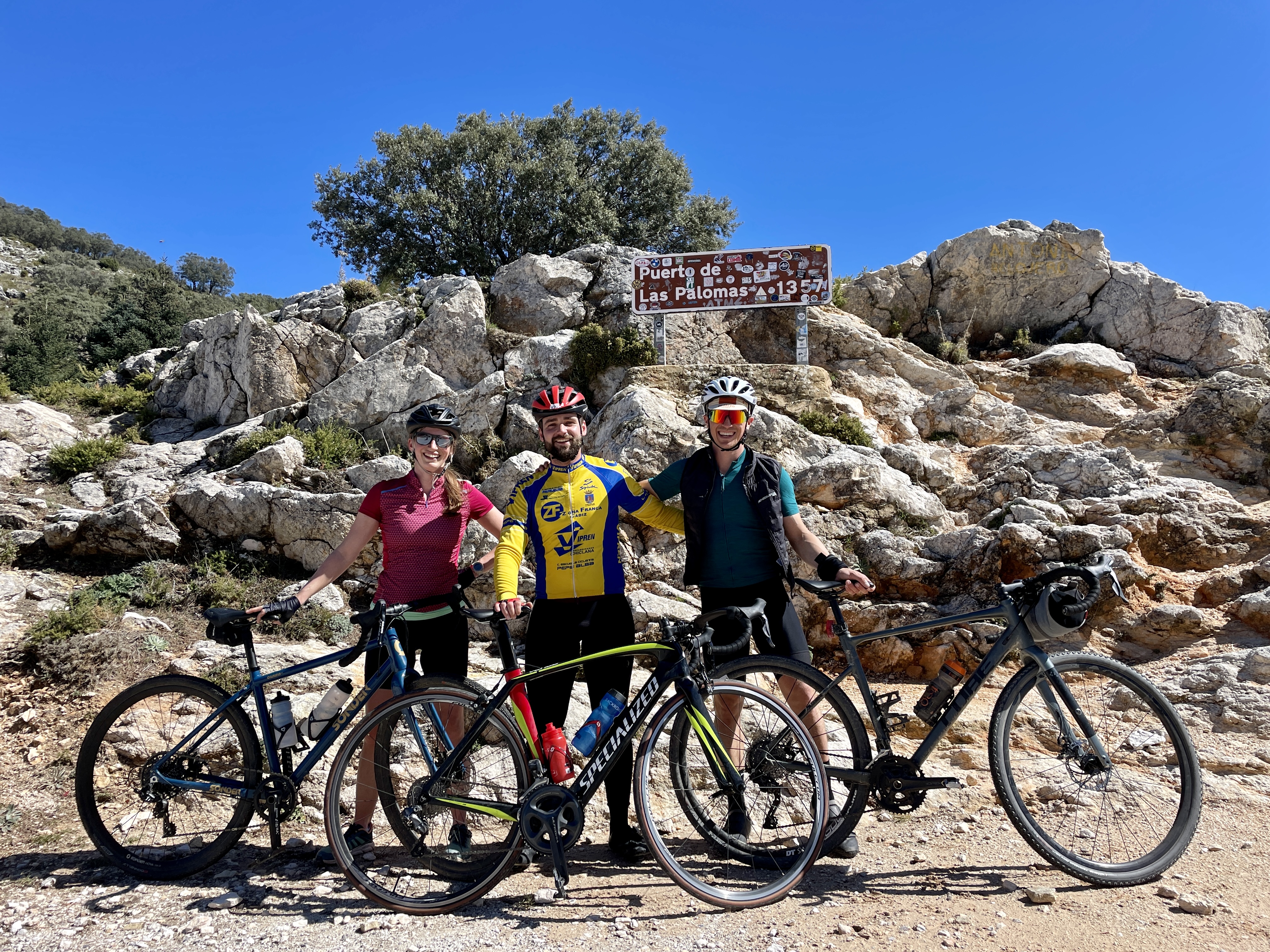
Everywhere we went, we immersed ourselves in the culture, speaking the language as much as we could and sampling local dishes. A standout moment was a restaurant in Antequera, where we ate some of the most delicious traditional food I have ever tasted.
We even had the chance to reconnect with old friends. An old university friend of mine, Luis, lives in the beautiful Zahara in Andalusia. The richness of experience that comes from being shown the nature and culture of someone’s homeland is unparalleled. On top of that, we happened to arrive for the end of the local carnival, when the villagers dress up in themed costumes and sing satirical songs in the crammed bars and restaurants.
Leaving Spain behind, we soon encountered another theme of our trip. Spending such prolonged periods in each country, we began to feel at home in each. Crossing a border, however, threw our rhythm out the window as we awkwardly replaced our “Gracias” with “Merci”, our staple grocery list with a new one, and adapted to new shop opening hours and landscapes.
When we entered France, our first night was spent on a vineyard, the first of many we would visit on our trip. For a small price, you can pitch up and – in some places – enjoy their hospitality and usually be given a wine tour!
Rapidly crossing the south-eastern edge of France, we made for the Alps. Whereas in Spain we had just been enjoying temperatures in the mid-twenties, the Alps were still gripped by the steely hands of winter. So much so that, as I made my way towards the foot of Alpe d’Huez to cycle up it, I experienced brain freeze on a bike like I have never done before.
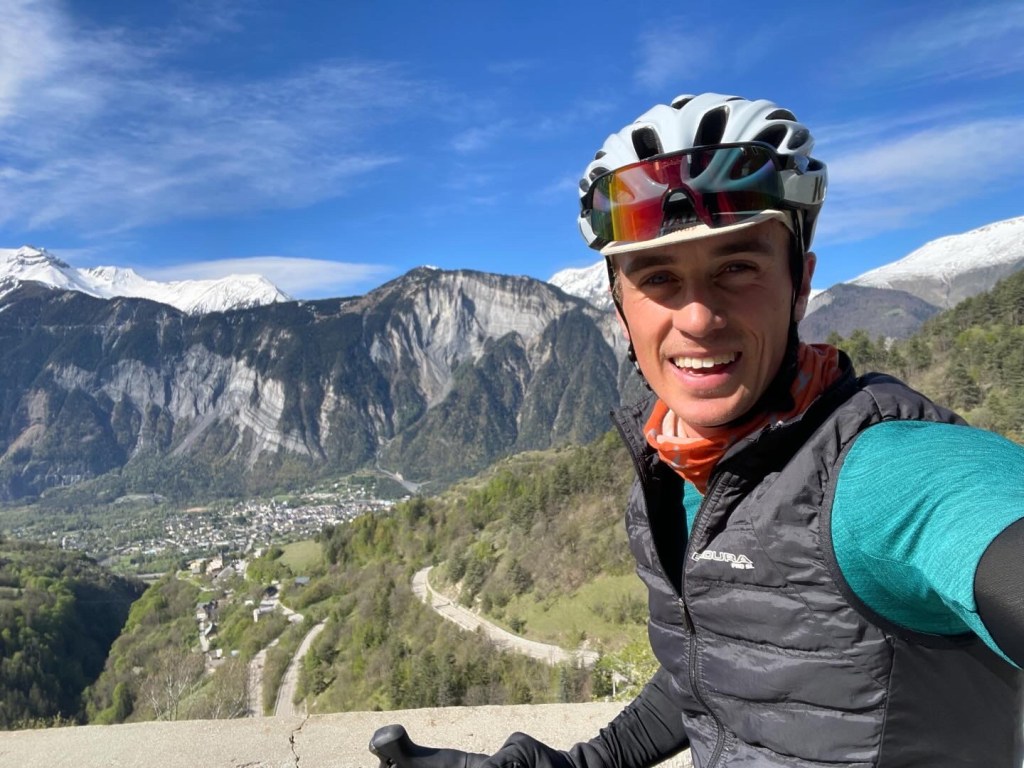
If we could go back and do it all again, it would have been to stay in Spain even longer. We had expected a drop in temperature, but when the mercury dipped to minus-nine overnight we knew we had headed north too fast. Over the next few weeks, this would be reaffirmed as snow banks packed out the northern slopes of mountains, passes remained firmly shut, and we even got a leak in the roof due to the amount of rain!
It was around this time Bo and I celebrated our first wedding anniversary, stopping in the Aosta Valley and swapping our van for a hotel for the first time on the trip. One of my favourite memories from that time was Bo’s anniversary present to me: a home cooking course.
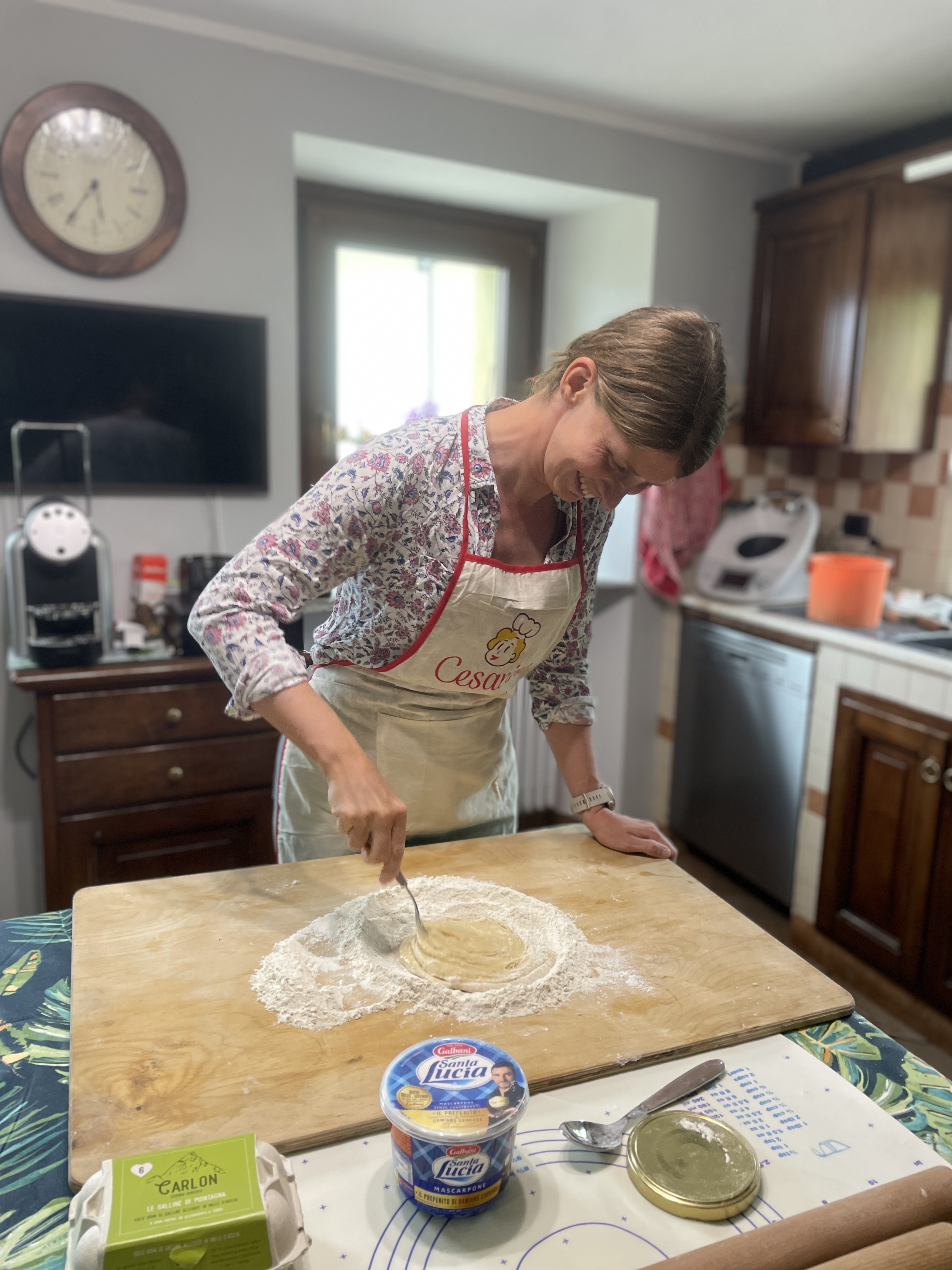

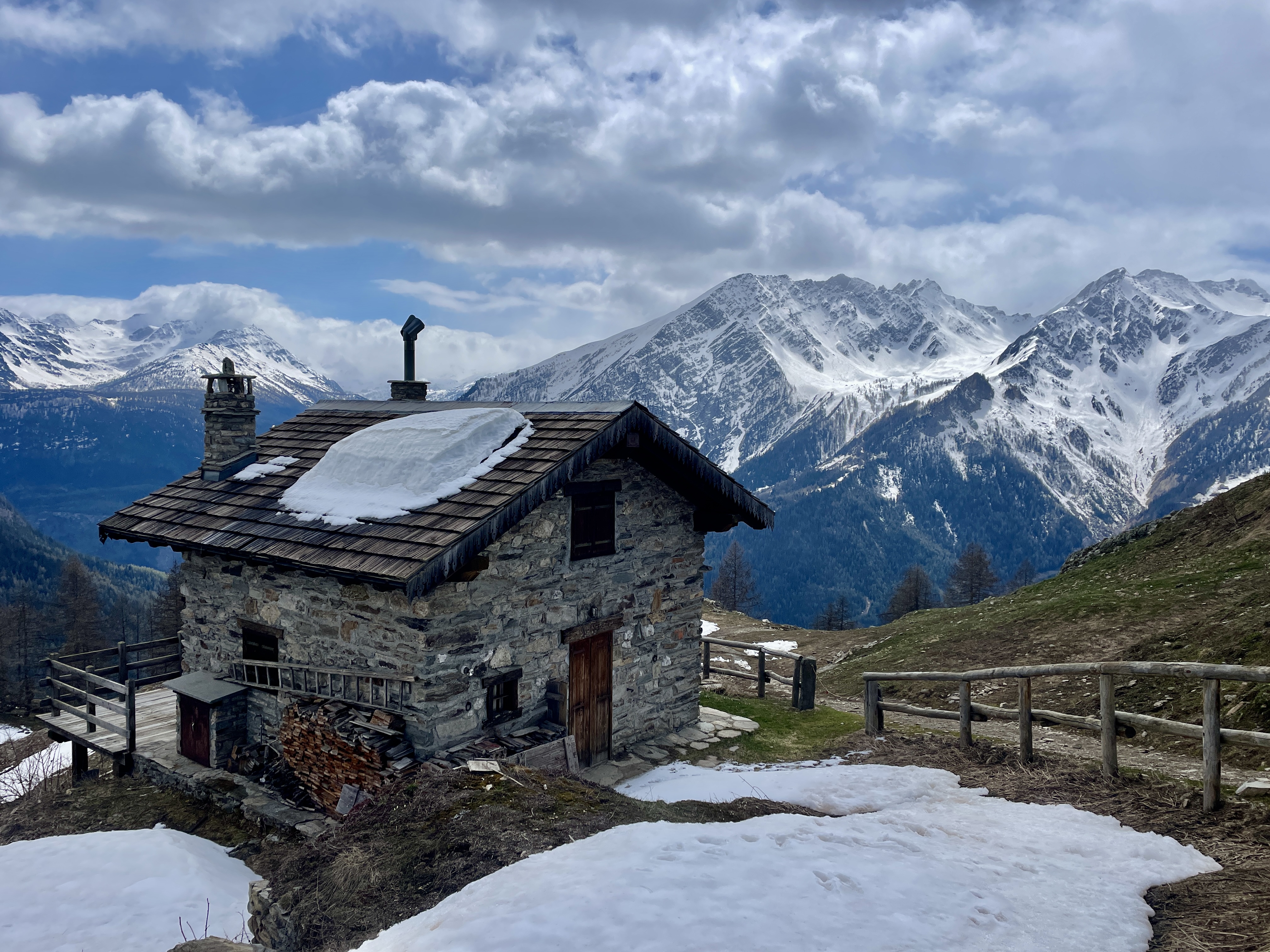
As we entered a tiny hillside village, I realised this was not simply a course where we would learn how to make traditional home-cooked meals; it was in a family home, cooking alongside Head Chef Mum and her daughter. What was meant to be a few hours’ cooking turned into a five-hour experience, culminating in a meal with the family featuring local hams, cheeses, their own wine and, of course, tiramisu.
Learning to adapt
If Italy caused us to do anything it was adapt. Bo developed a knee injury skiing in Andorra, so we re-evaluated our ambitions and found more joy in the food, wine, walks and gentle bike rides. I still managed to get out and enjoy the dramatic roads and trails, but we found ways to combine our needs.
After the wet weather of north-western Italy, we also switched our plans in favour of the warm temperatures in the east, fixing the leak in the roof and enjoying balmy nights on sunny vineyards.
I headed to the Balkans to work on The Accursed Race by Lost Dot, during which time Bo continued to explore the Italian Alps with some friends. It was clear, though, that even with friends on hand, managing van life alone is incredibly challenging – especially when you are injured and also have a dog to look after.
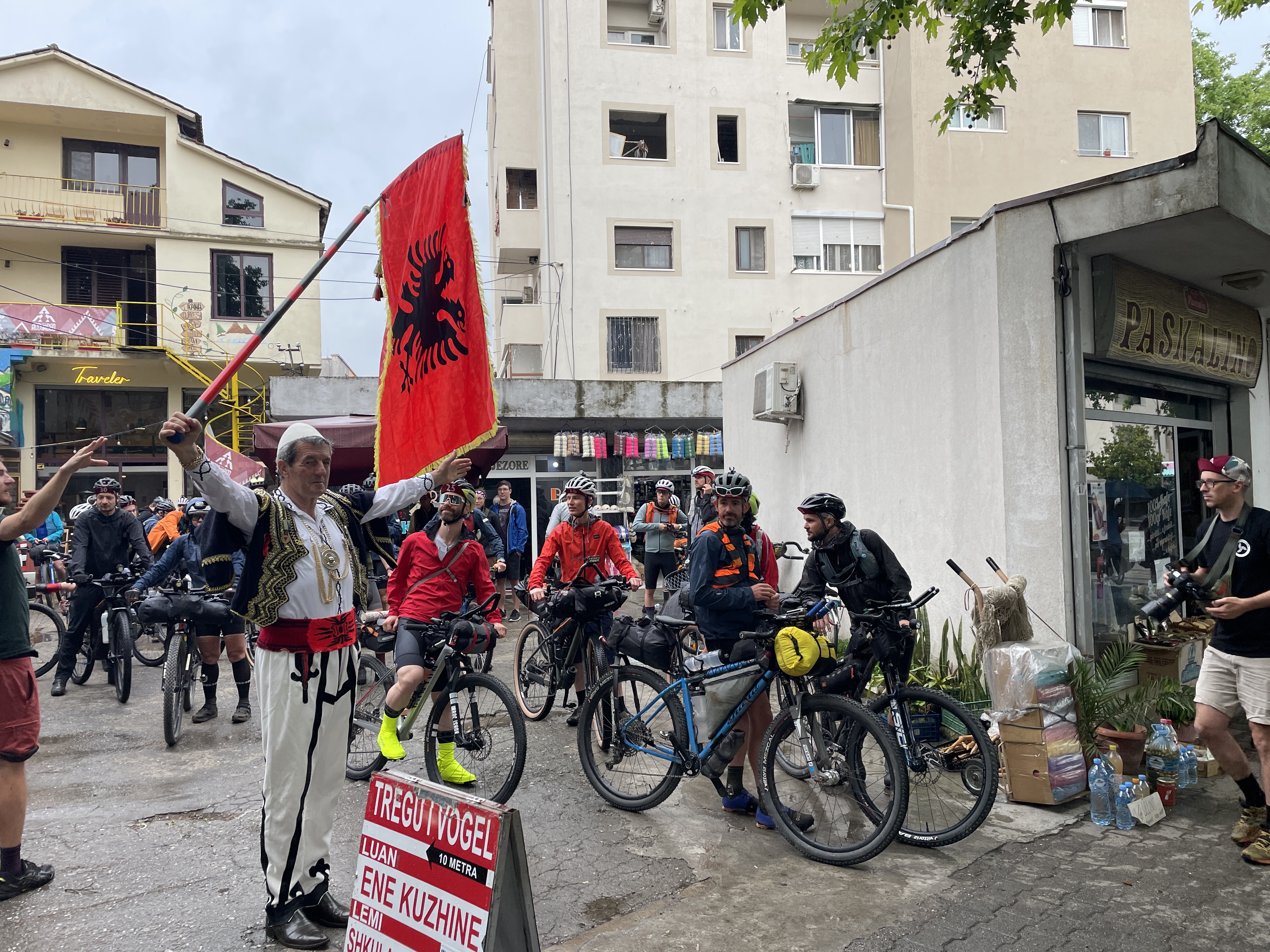
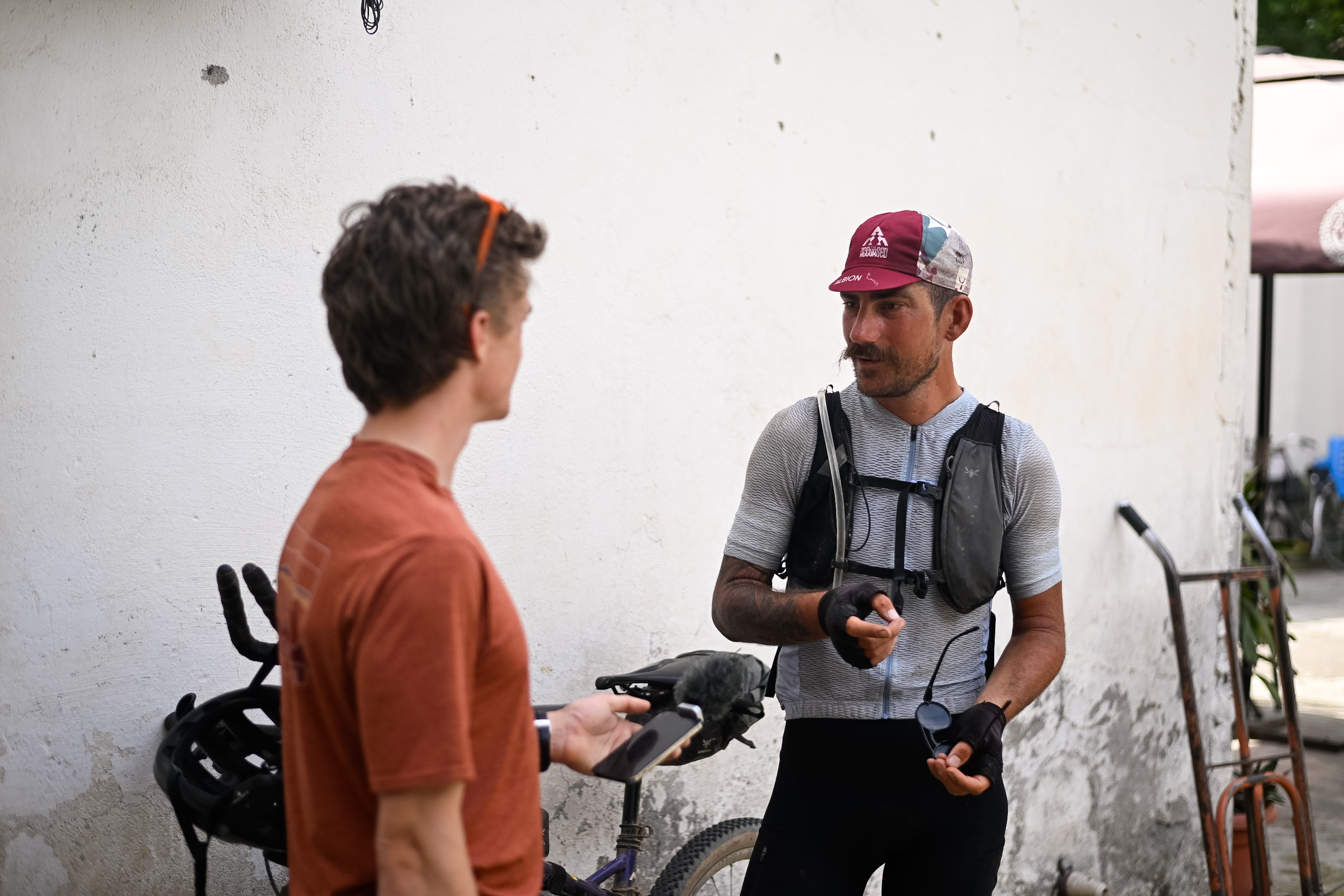
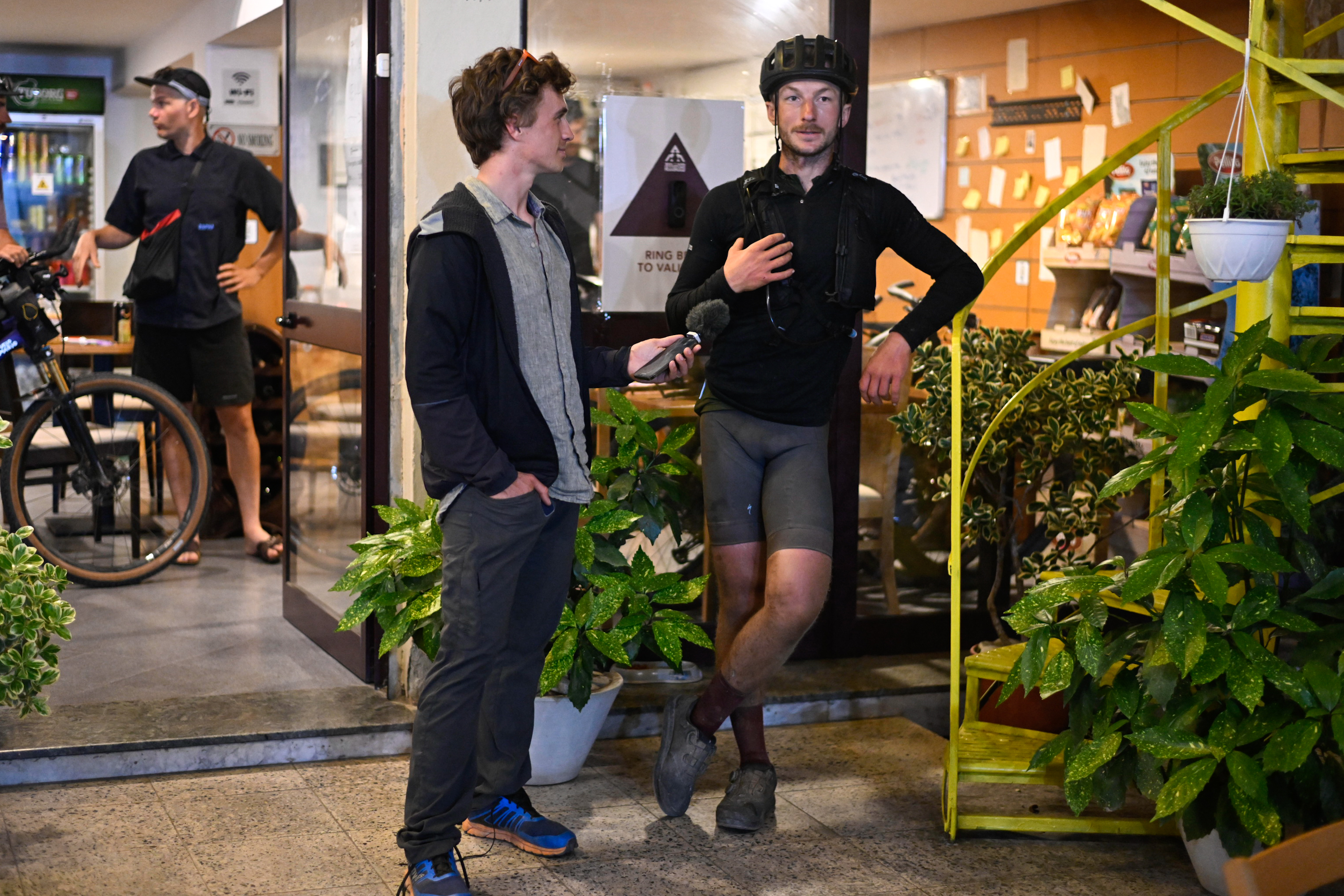
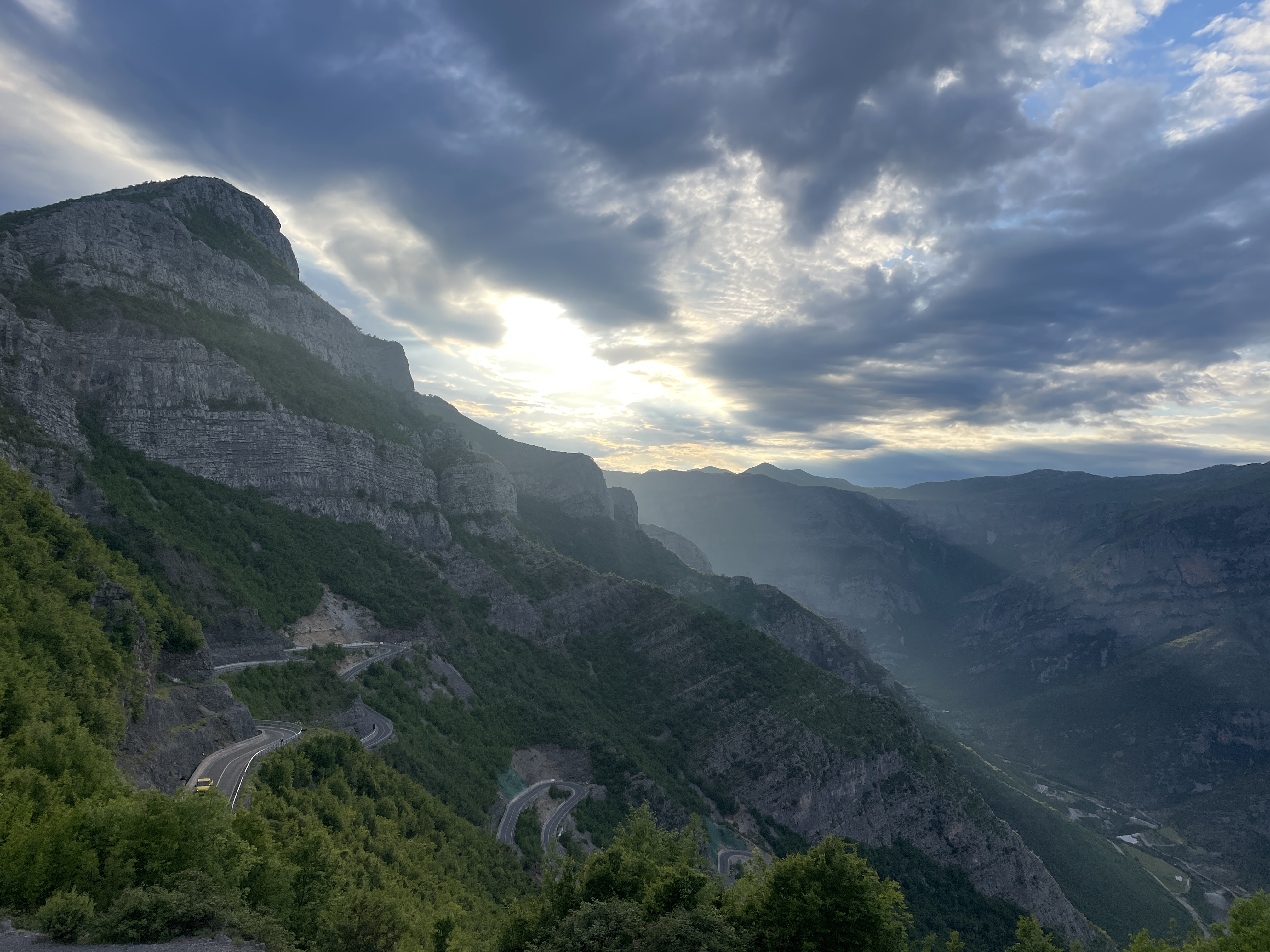
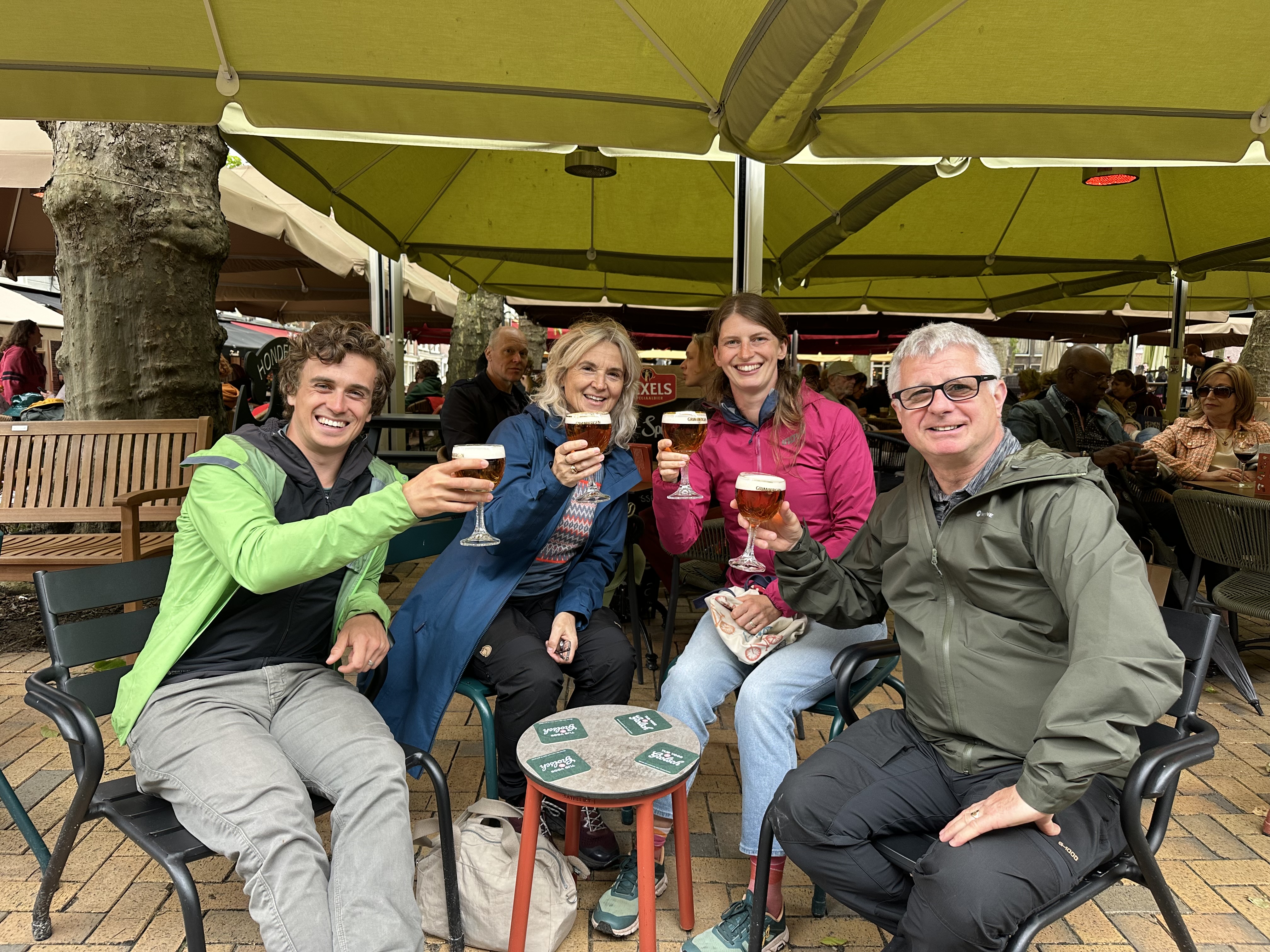
When I returned from the Balkans, we agreed it was a good time to regroup and head back to the Netherlands for a while, allowing Bo to recover in flat country and to reunite with family. If we learned anything from this time, it was that life simply throws you these curveballs and, when you’re on the trip of a lifetime, those curveballs seem to come at you even harder.
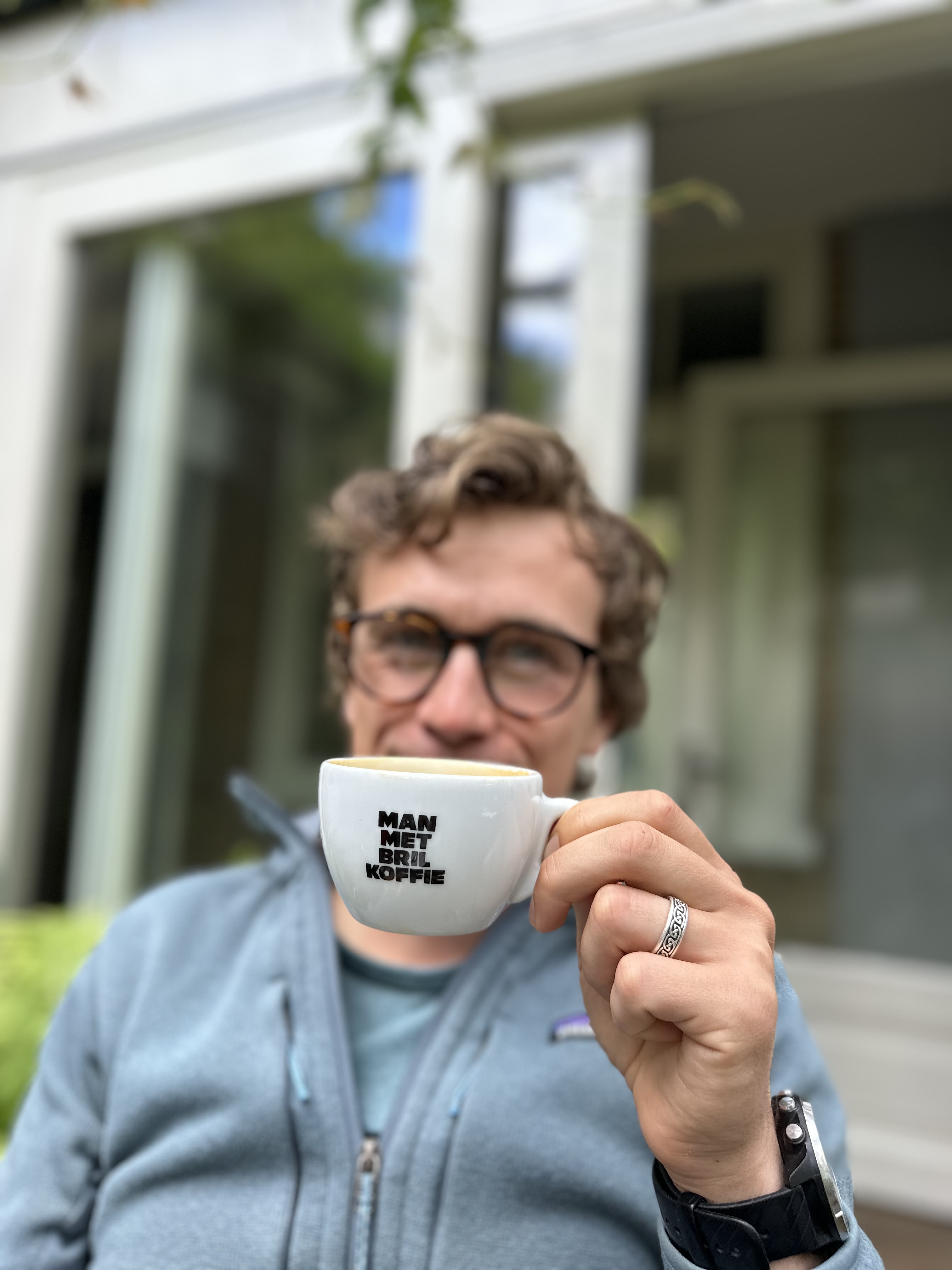
When we did set forth once again, we learned more and more to enjoy those special moments together. Whether it was the short bike rides into town for bread and cheese, or sheltering in the van from a thunderstorm in the Jura mountains, everything weaved together into the tapestry of our journey.

The Alps: Take II
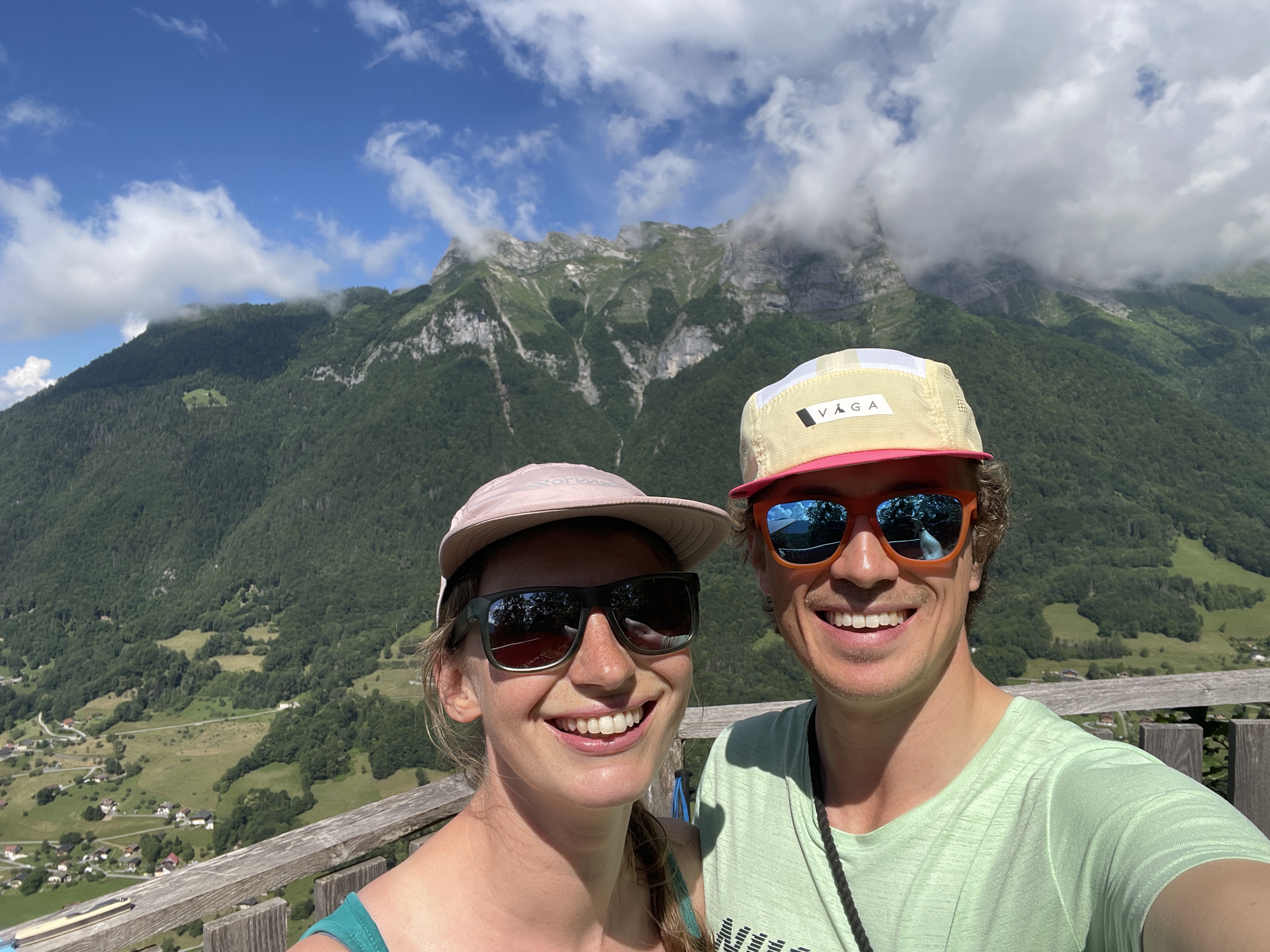
In the space of just a couple of months, the Alps had shaken off their winter coat and stood resplendent in a myriad of colours as the Alpine meadows bloomed and the sun beat down on their soaring tops.
I still haven’t managed to get my head around this sudden character change in these mountains. Driving through Annecy, it was like we had simply twisted a kaleidoscope to reveal a new pattern to these peaks. Riding up Col de la Forclaz, the sea change was palpable: Where once I had roads to myself, other cyclists were whizzing past; where we had previously huge car parks to ourselves, suddenly we were jostling with other vans and motorhomes for position.
I felt for the mountains in some ways, in that their peace was now shaken by swarms of ants crawling around them. They seemed to respond to this with flashes and booms, as summer thunderstorms prowled through the valleys.
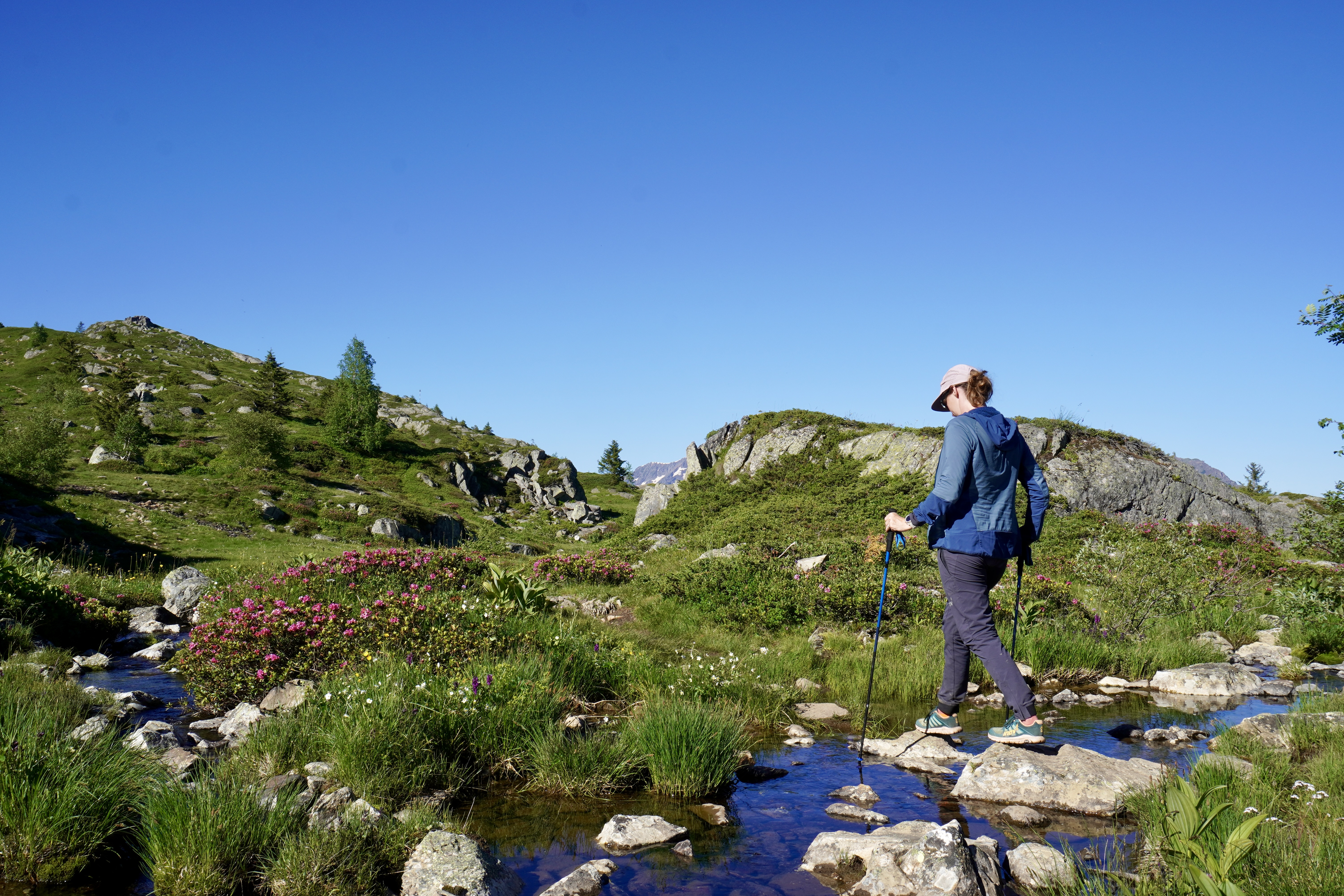
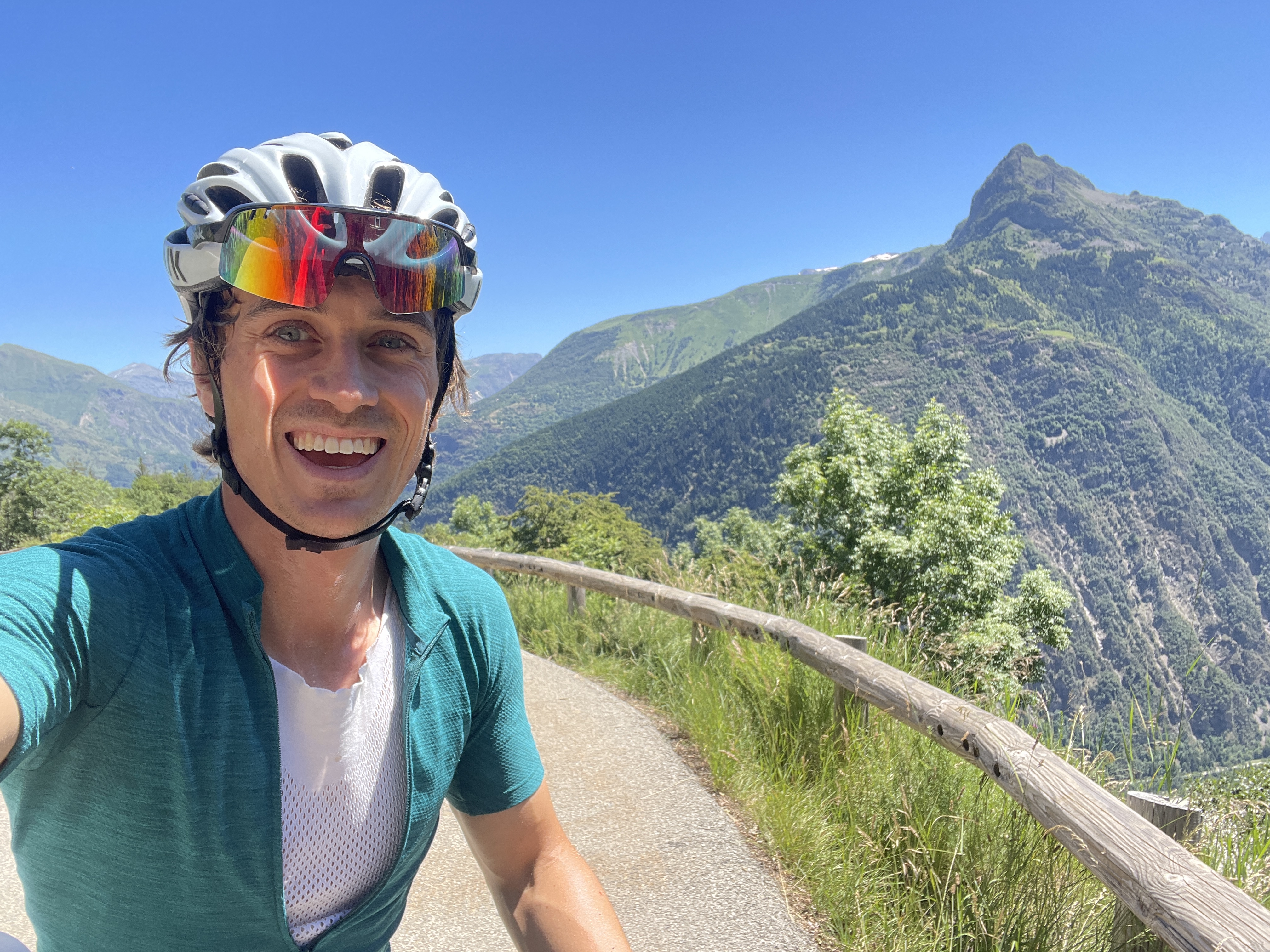
It was clear, too, that our previous overnight stops were now completely unsustainable. The cool temperatures were gone. We sought higher ground, which took us to over 2000m regularly. One such time I took on a ludicrously steep bike ride, climbing well over 2000m in under 60km, meeting Bo at the top of Alpe d’Huez where we spent two glorious nights under the stars. The next morning, we took a sunrise walk around two high lakes – just us, the golden mountains, the marmots, and the glittering meadows in their coat of morning dew.


By now we had set into a very happy rhythm and pace of life. We would spend at most two nights in one spot, enjoying several nights in the same area before moving on, driving much less than we had previously.
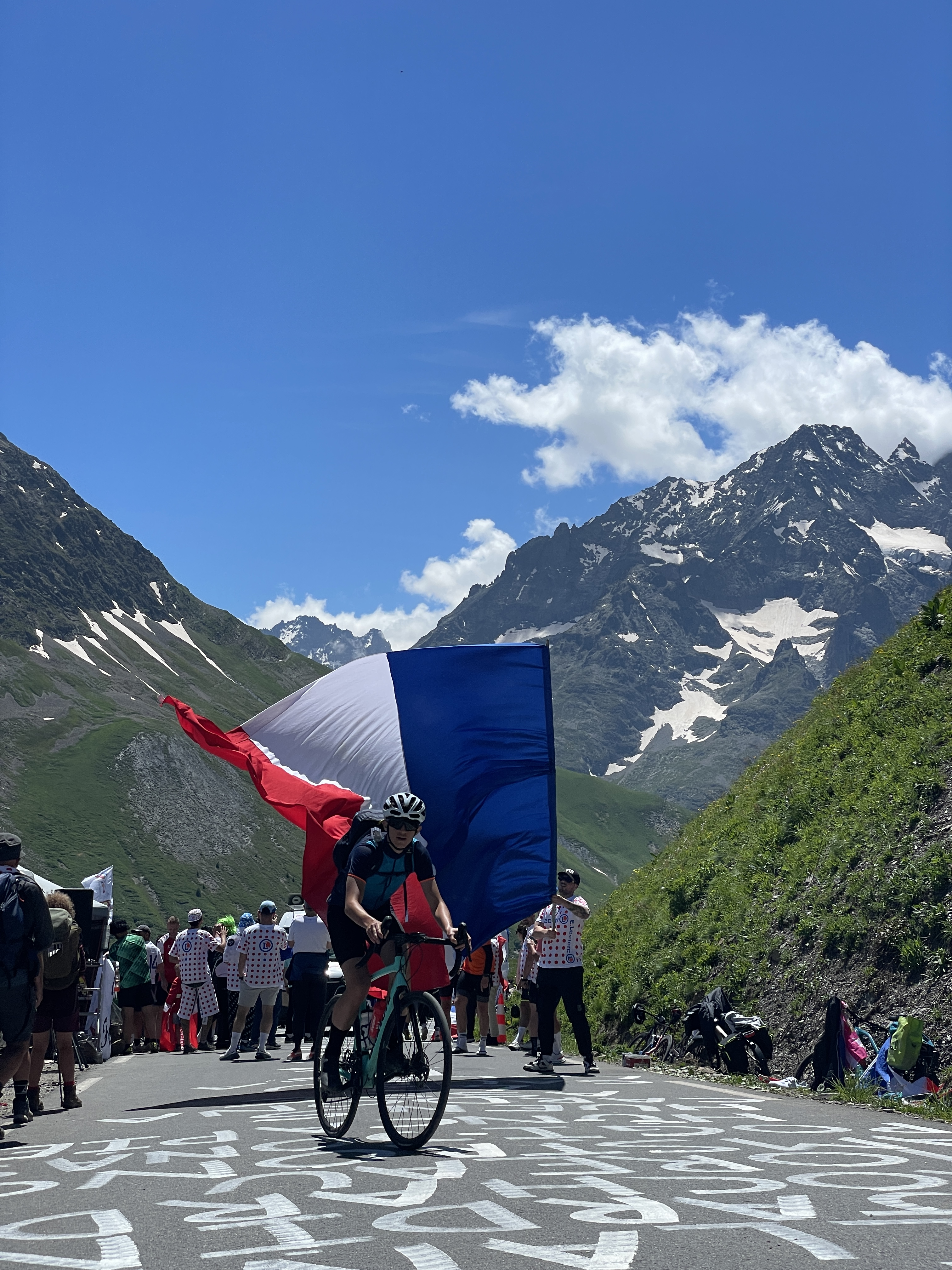
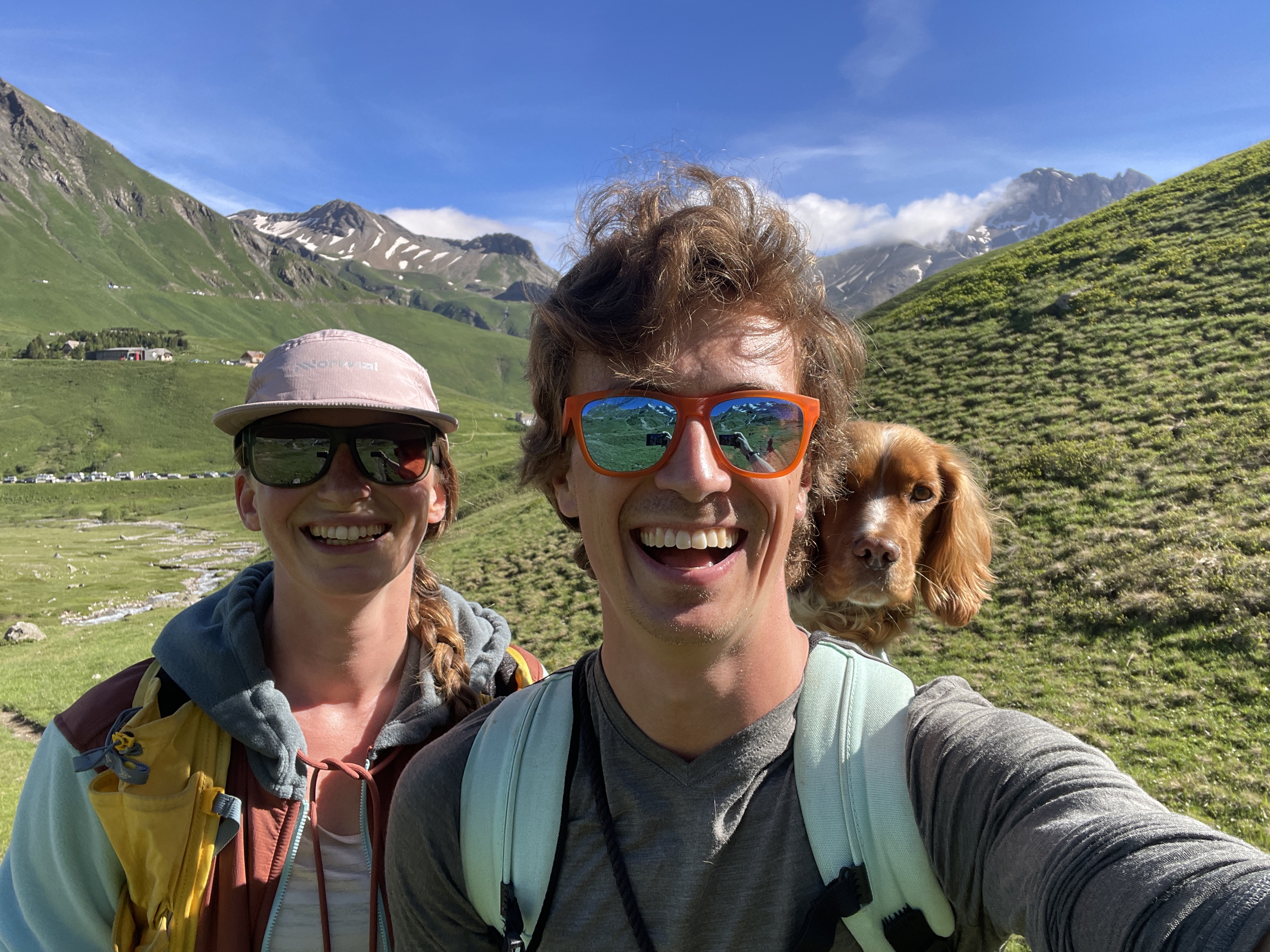
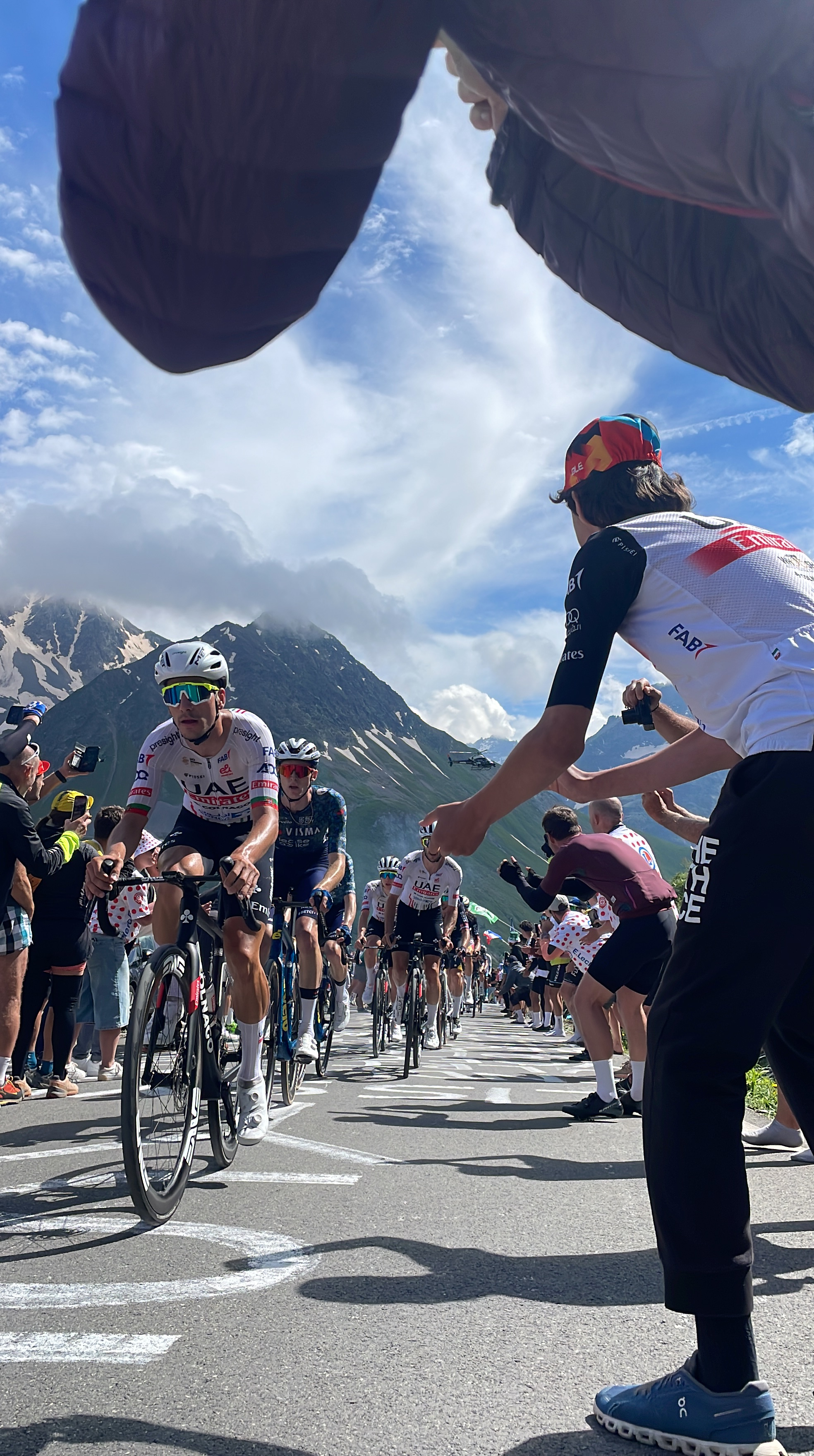
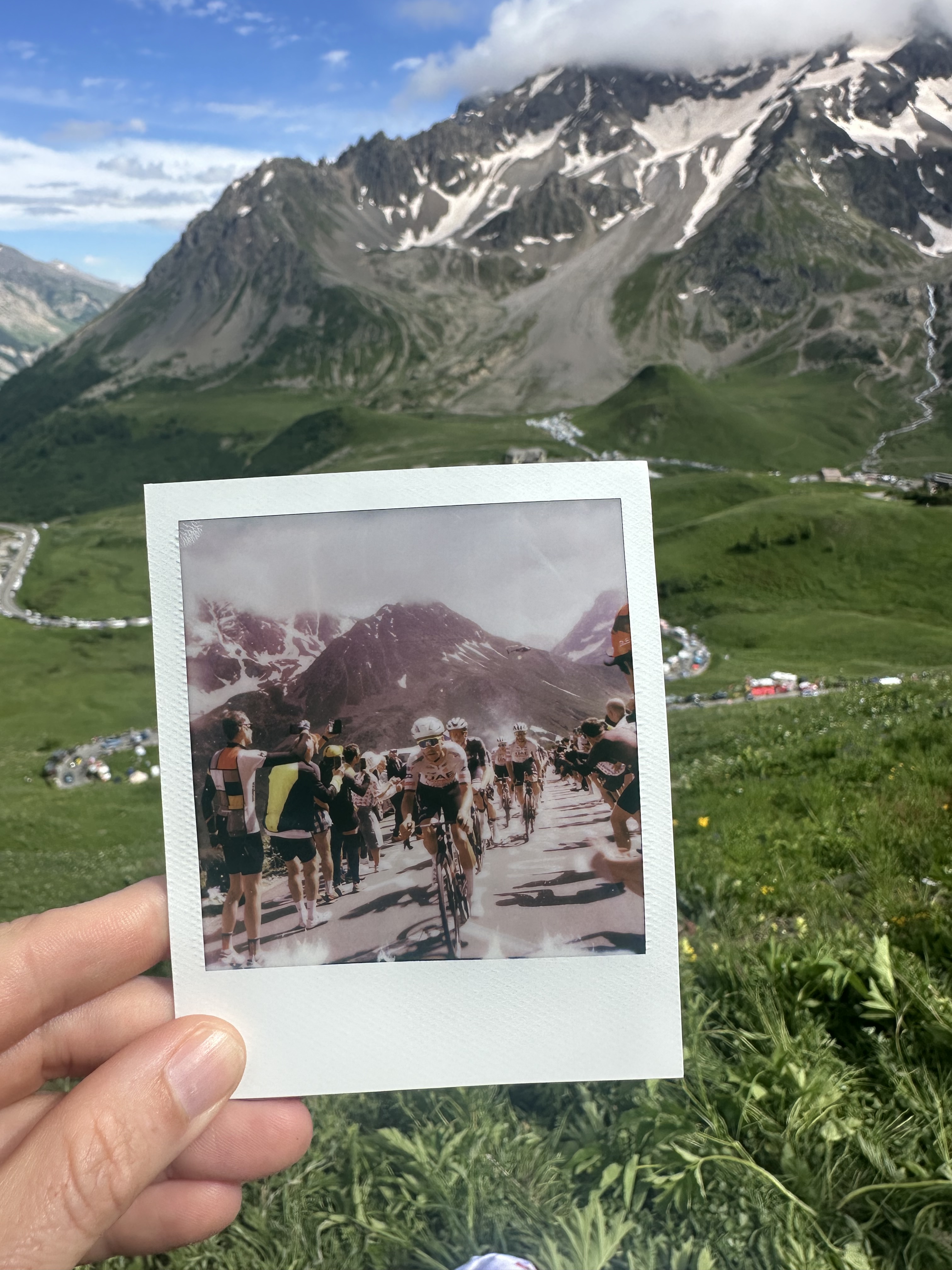
We arrived on the Col du Lautaret on 1 July, one day before the Tour de France. I had never seen the Tour in person before and we had picked quite the stage: stage four – the first in France of this year’s Tour – a 140km stage over Sestriere, up the Lautaret and over Col du Galibier. It was a carnival atmosphere, the roads lined with spectators and abuzz with activity. Though the race itself was gone in the blink of an eye, the hours spent waiting on the side of the Galibier will last long in my memory, heightened by the fact Bo was making good progress with her knee.

Challenges of geography
As the Tour rumbled away, we took a deep breath and plunged back towards sea level. The temperatures were unbearable, even at 400m above sea level. We wanted to spend more time to the west of Lake Como, so we set our sights on Val Grande National Park.
Whilst a beautiful part of Italy, it presented a conundrum to us we only learned when we arrived. First, at around 1300m above sea level, it was about the minimum we could handle temperature-wise. Furthermore, the slightly awkward presence of Lago Maggiore, Lugano and Como meant that to get to our next destination (Lombardy) required a significant double-back and loop around. Alas, we had learned this was how things went on this trip, so we made our way to Lombardy and the Passo San Marco for our next 2000m rest.
Passo San Marco, we were told by a local motorcyclist, is so named after Saint Mark, the patron saint of Venice. The Republic of Venice spanned from the famous floating city northwards beyond Lombardy. The challenge, however, was that in order to reach the more northerly territories, travellers would have to pass through the Duchy of Milan. To avoid this, Passo San Marco was built allowing safe (if not easy) passage across the Republic.
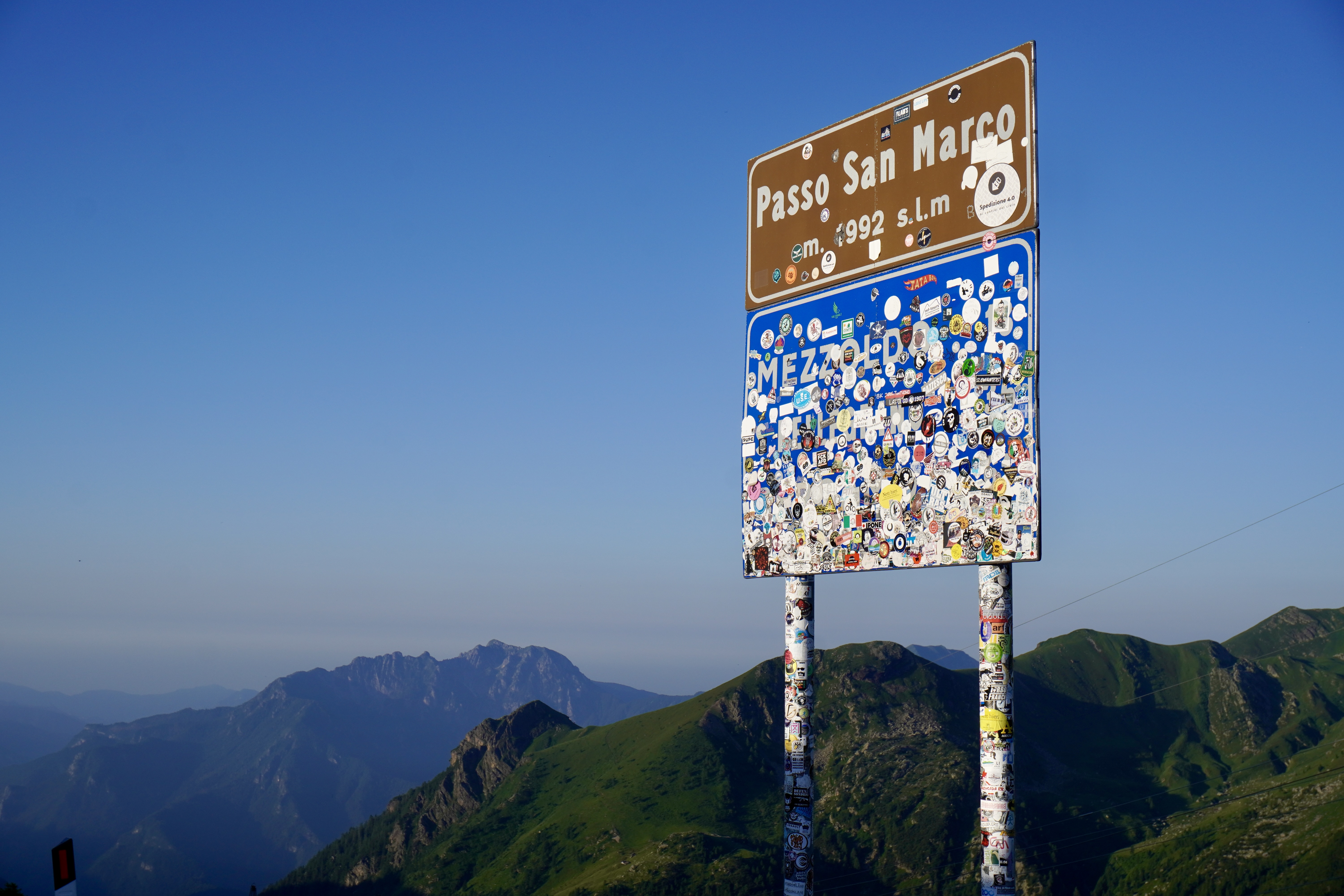
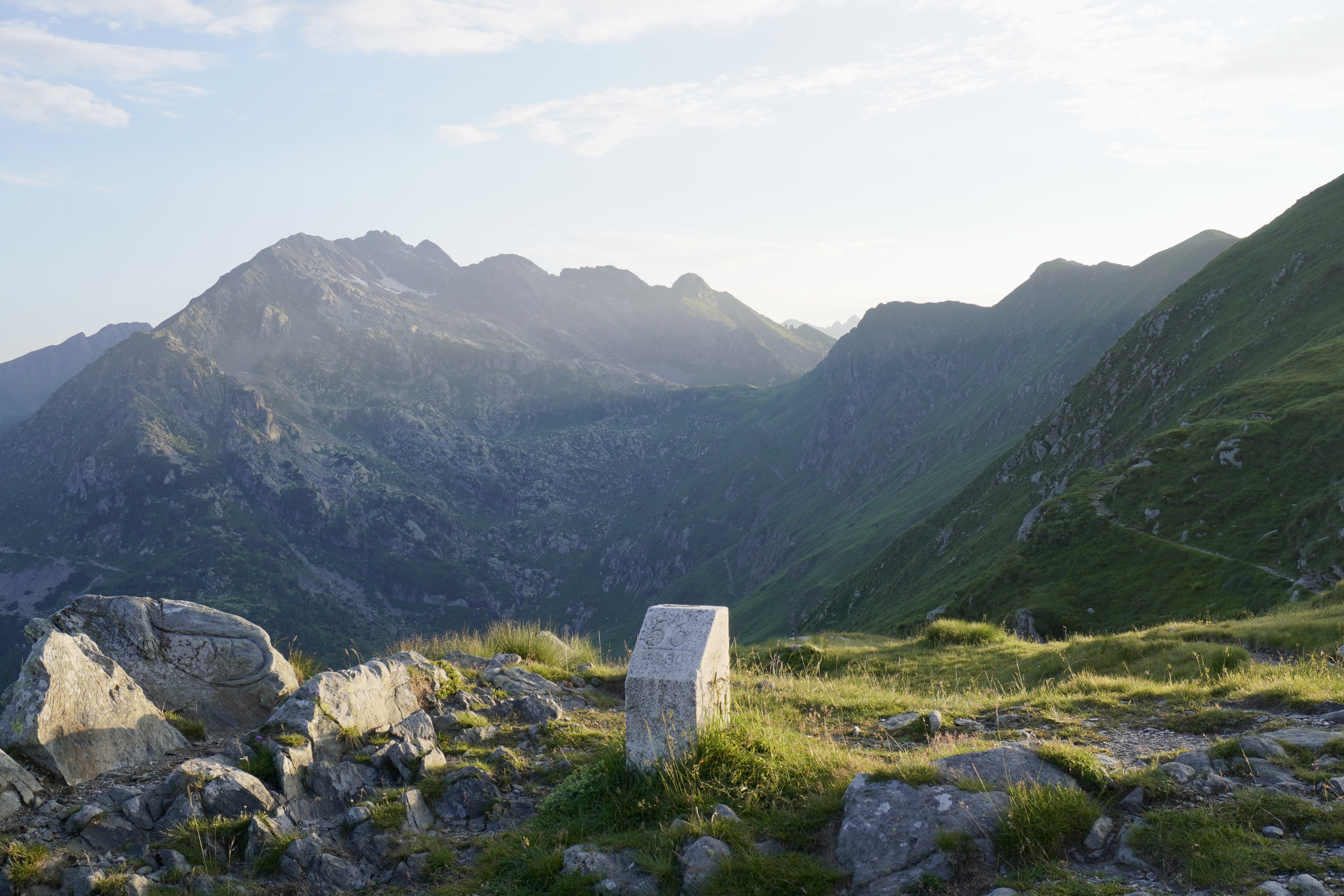
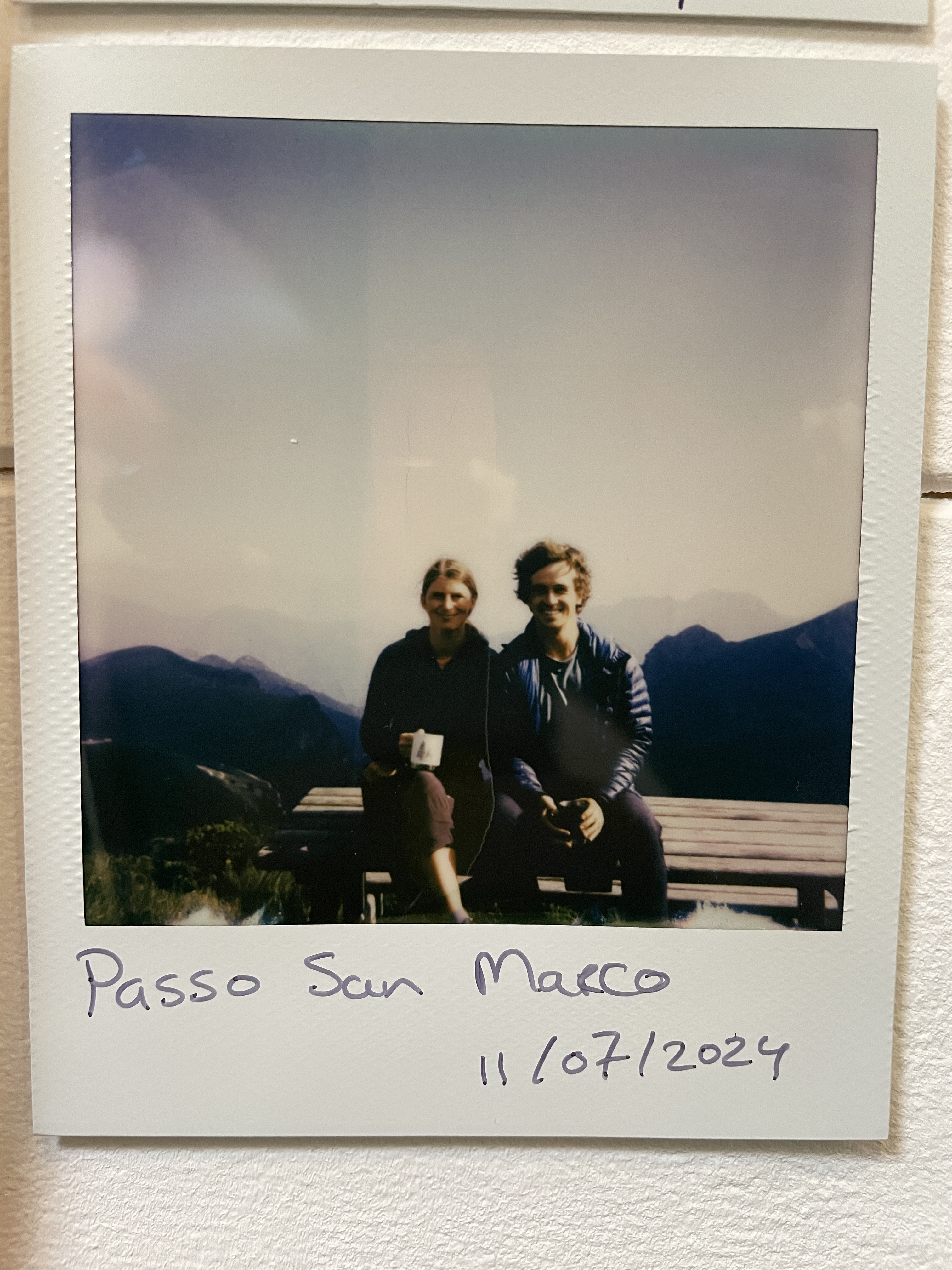
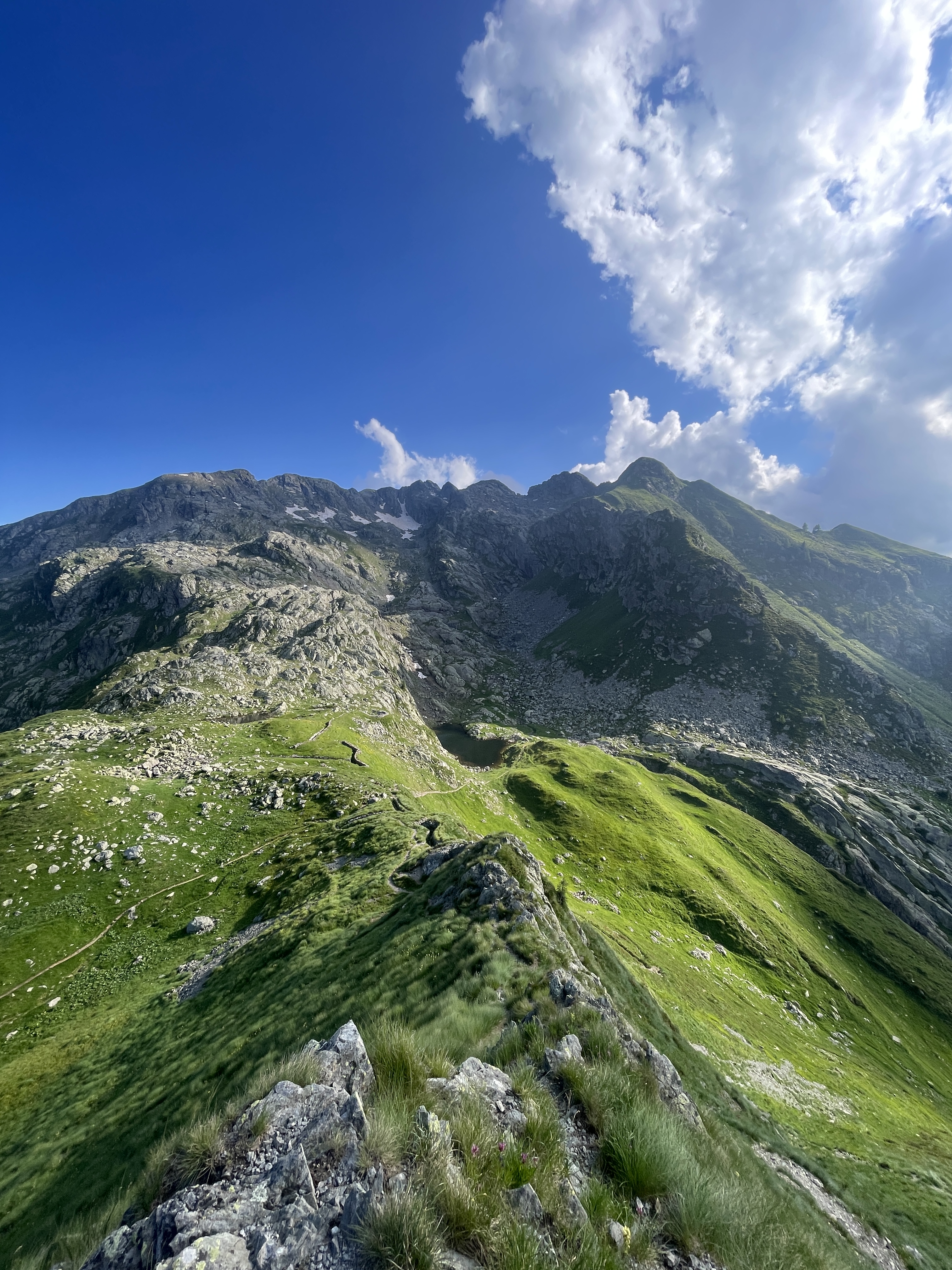
We parked up at the very summit, surrounded on all sides by the Bergamo Alps with views out to the jagged line which marks the Swiss border. The longer we looked north, the more mountains rose to meet our eyes, seemingly endless. As our trip went on and we spent longer periods of time in such places, the more we came to appreciate how the landscape forms our ideologies, identities and cultures. It’s not something you can really appreciate on a quick two-week holiday, but something that you only come to appreciate when your own journey is morphed by the geography and terrain of a place.
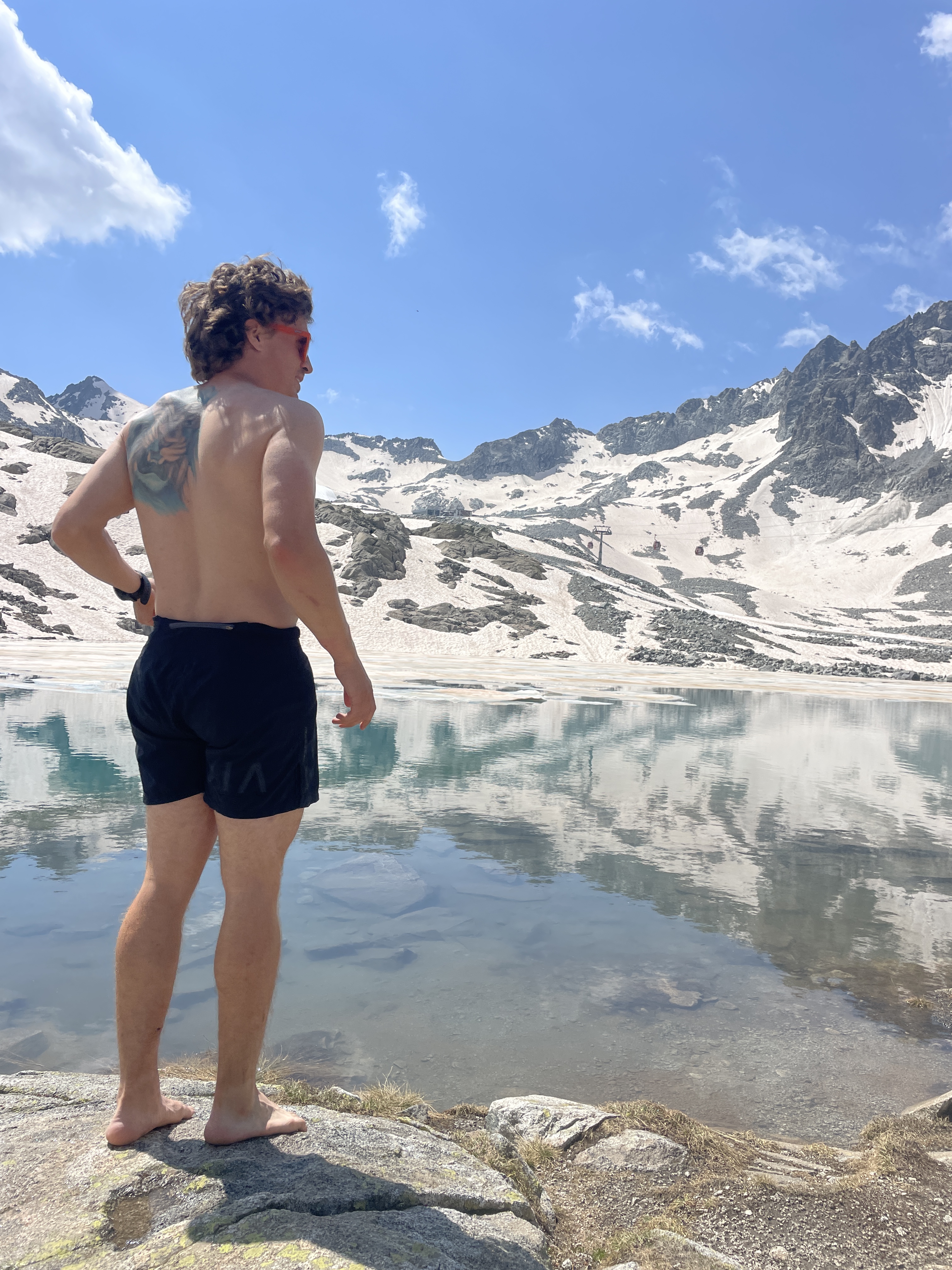
Our time on the Passo San Marco came to a thundering end. We awoke one morning to the distance rumbling of what could only be a thunderstorm. For a while I dismissed it as the wind, but it soon became unmistakeable. We sat there, waiting, wondering if we could just sit this out. Soon, it became clear we could not.
As the thunder grew louder and louder, the purple flashes became more and more frequent and soon we were packing the van to enable our swift evacuation. By the time we were weaving our way to the nearby refuge, the storm was upon us – no, we were inside it. When the road carved its way around the hillside, a flash would split the sky beside us and the thunder would vibrate the steering wheel. Rain tumbled from the sky unimpeded, a cascade of water from the heavens. Lightening struck nearby summits as we pulled into the relative safety of the rifugio car park, dashing inside as soon as it opened.
Occasionally, peace descended upon the beleaguered mountains, before another tempest shook the ground and blew the power to the rifugio. I have never experienced a fury quite like that storm showed.

Lessons learned
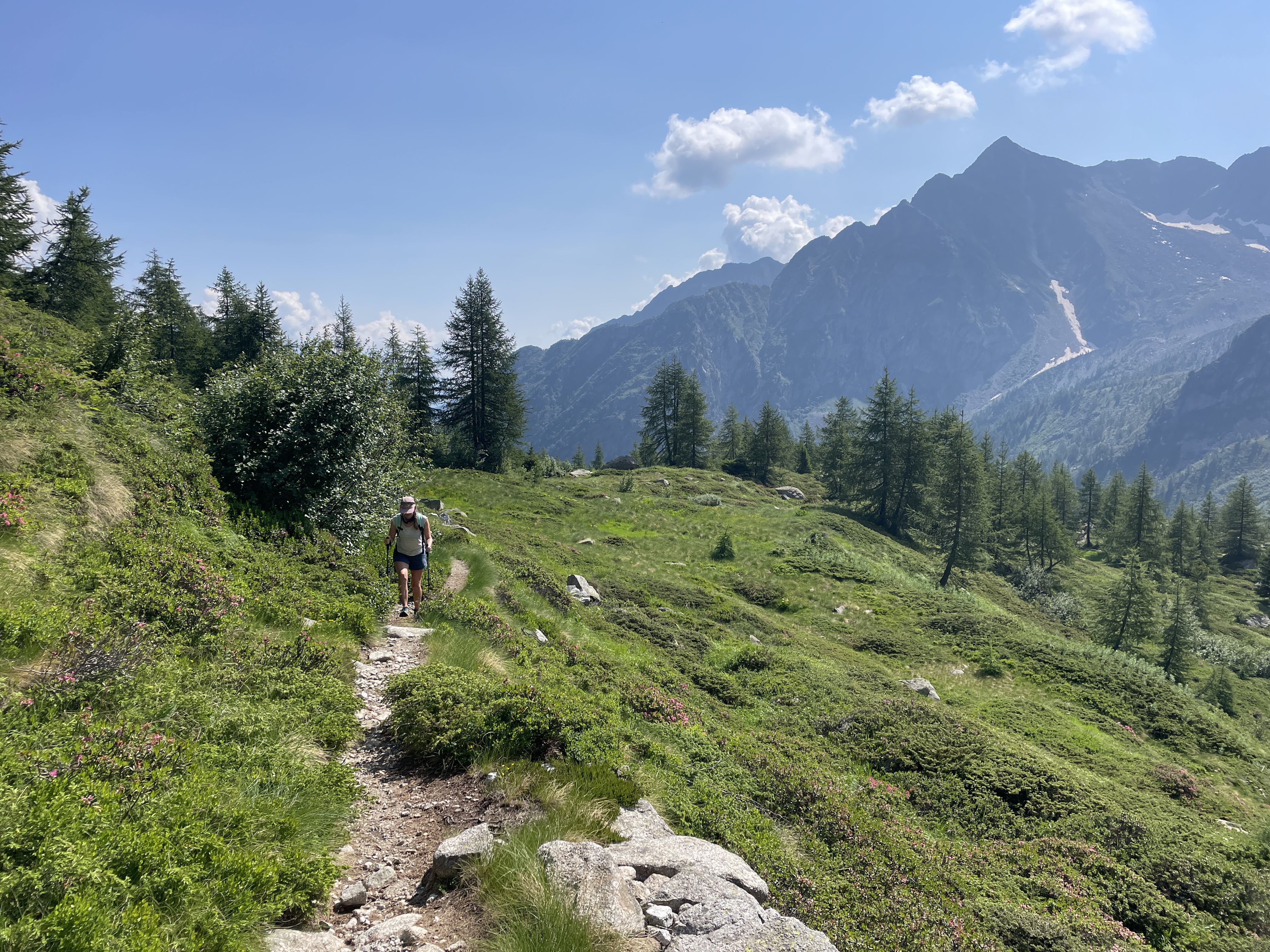
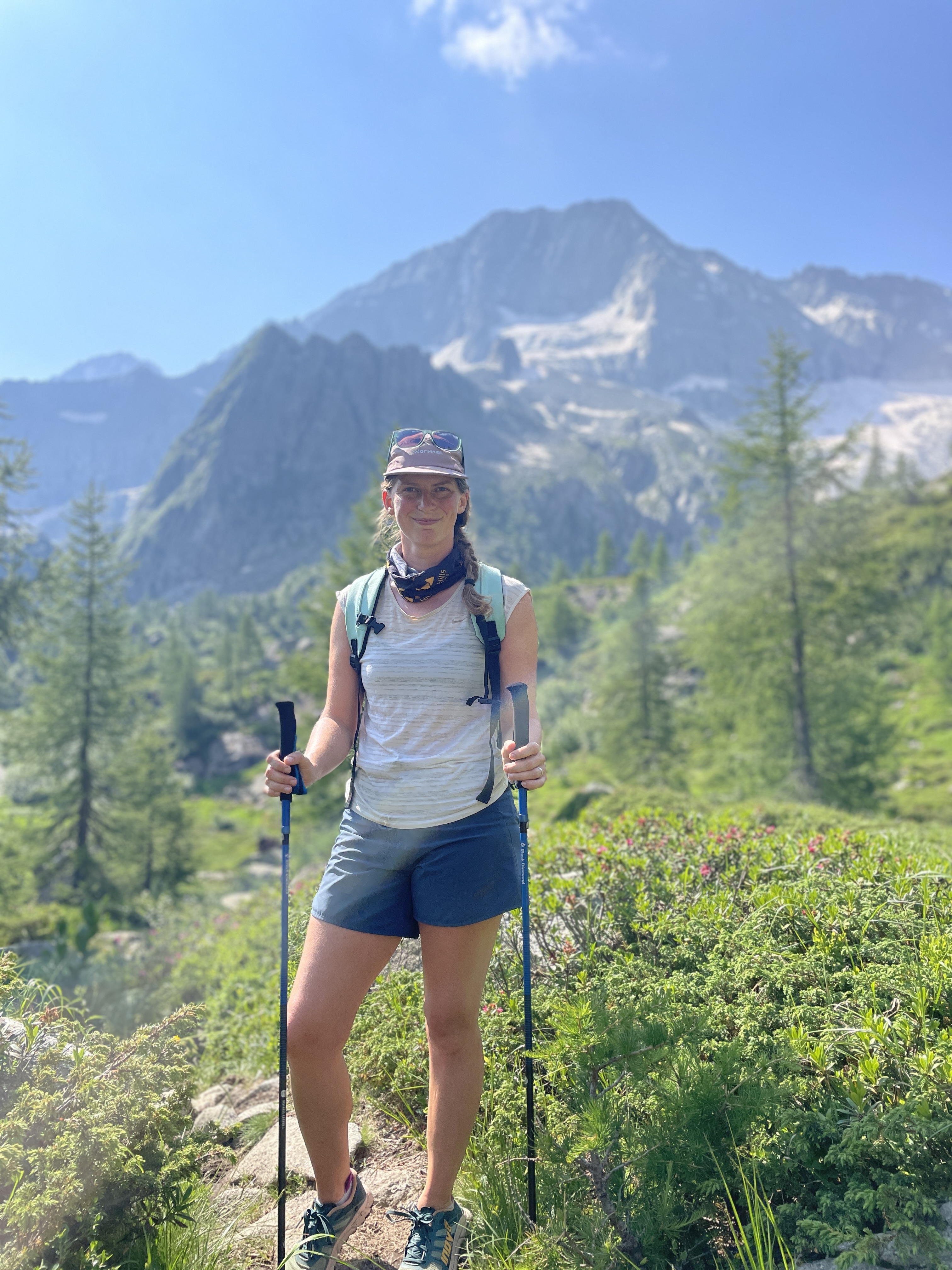
That almost brings me to today, mist hanging at the base of Marmolada on a refreshing morning at altitude. Bizarrely, Bo and I have now traded places: she is out climbing on via ferrata while I nurse an injured calf muscle.
And I suppose that’s one of the lessons I have learned on this trip: you can be on the trip of a lifetime, but life still happens. Life, with all its little frustrations, worries, upsets and challenges, still happens. It doesn’t take a break even when you are doing something you could describe as life changing – and I would.
Despite my whining about not getting out the last couple of weeks, it’s a valuable lesson in learning to make the most of what you have. This fact likely comes as no surprise to anyone, but on a trip like this it’s easy to be constantly chasing the next incredible experience, when in fact the whole thing is an incredible experience. As Gandalf would say: “All we have to decide is what to do with the time that is given to us.”
Which leads me to my second lesson – or, rather, change in my perception. I don’t think anyone could truly call me adventurous. Sure, I go on some adventures, but doing something that really scares me is not in my wheelhouse, especially when it comes to leaving the sanctuary of home. This trip, however, has completely altered my perceptions. It has been a real joy to experience several different national cultures and innumerable local ones. We’ve switched our brains multiple times to new languages, enjoying new food and idiosyncrasies along the way. In a world where our politics appears to be ever more insular, I truly believe we are enriched by our diversity and our experience of other cultures.
We should be building bridges, not walls.

Crucially, we’ve learned there are an infinite number of possibilities out there. We undertook this van trip scared and uncertain if it was the right decision for us – and it absolutely has been. You can spend hours planning and researching, but often it comes down to experiences, making mistakes, and learning from them.
I am not one for talking about destiny, but how I see destiny is like taking the hand of a child: at times, you will know best, and you will guide them in the right direction; but at other times, the child’s instincts and curiosity lead you to places you had never quite expected, despite your sensible objections.
It works both ways. Going on a trip like this has ended up not about us seizing control of the narrative of our lives, but actually opening ourselves up to new ideas. I cannot say that quitting your job, buying a van and travelling is some kind of panacea, but it’s certainly a lot better than feeling captive to the status quo.
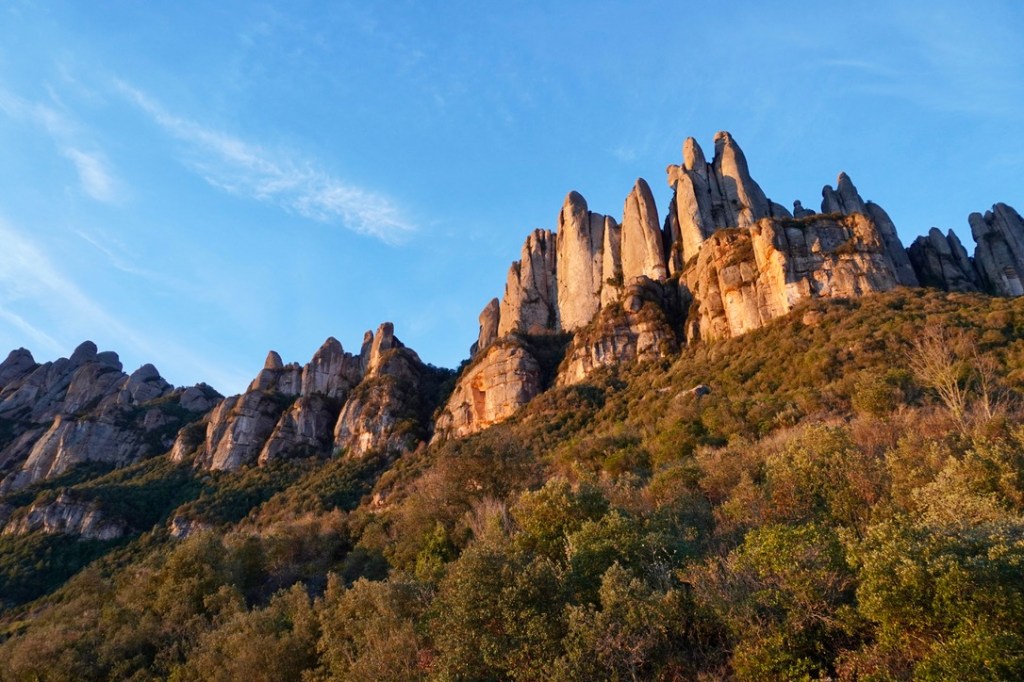
The next adventure
Ultimately, that leads me to the age old narrative climax: The What Next.
Well, we always felt this trip might open ourselves up to new possibilities – and it has. In under two months, we will be moving to Zurich, Switzerland, where Bo has been given an incredible job opportunity after a long interview process.
It has not quite sunk in yet, and I am sure it will take a long time for that to happen, but it is happening. Would that opportunity have come up had we not undertaken this trip? Perhaps. Would we have thought moving to Switzerland possible? I don’t think we would have, actually.
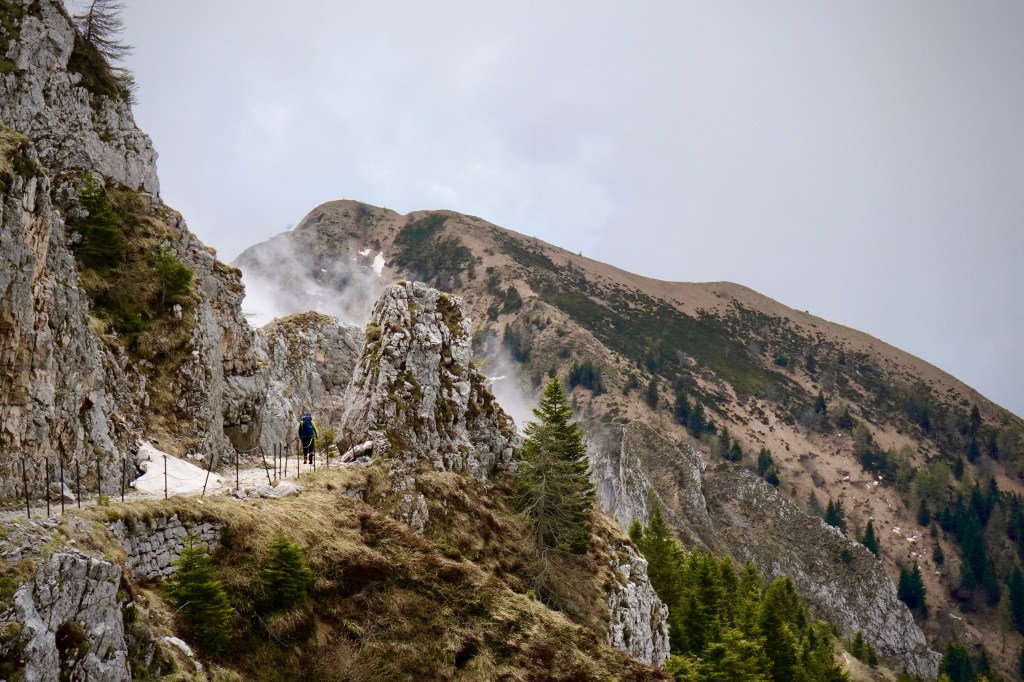
While there is no doubt we will miss our home in Kendal and there will be innumerable challenges ahead, that now seems par for the course. We’ve technically lived in Spain for two months, France and Italy, too, so the challenge seems that bit more surmountable.
I have no idea what will come next, but I know what has been. Our time in the van has not been without difficulties, but through it all are a string of incredible experiences that, had they simply been parts of a holiday, even the most mundane moments would stand head and shoulders above many others.
If you are wondering whether to take the kind of plunge we did – do it. Of course, there are risks, and only you can calculate those, but trust me when I say they are often not as great as you first think. Instead of looking at what could be lost, think of what could be gained: memories to last a lifetime, new opportunities, cultural experiences, space and time to learn more about yourself and what you want.
Take that guiding hand and let it lead you down a new path. You might be surprised what you find along the way.
For now, we have over a month to continue our journey, and we are going to make sure every moment of it counts.
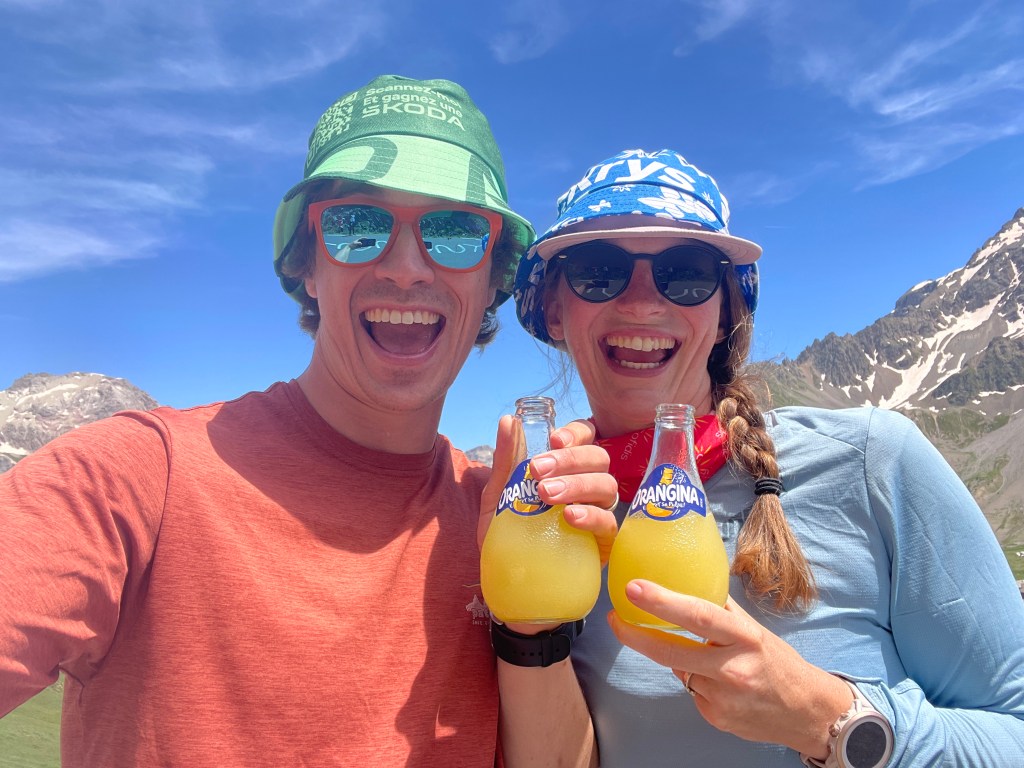
Thank you
No journey like this can be done without help. Firstly, a huge thank you to my wife, Bo. Not only was she crazy enough to go on this adventure with me, she has been there through every problem, every tantrum, every weird camping spot, every thunderstorm, every joyful moment and delight along the way. She has shown such incredible strength to handle her injury the last few months and, ultimately, secure the next part of our journey.
Thank you to our parents, largely for embracing our decision and listening to our worries at each step of the way.
Thank you to Brit and Eli, the Australian couple we bought Ziggy from what feels like years ago. You really did give us the keys to an incredible adventure.
Thank you to all our friends who either came out to visit us or who we met along the way: Andy and Taylor, Luis, Tom, Elise and Koendert, Niamh and Caleb, Lisa and Mike, the Joneses, Linda and Ben, Youp and Christine, Meg and Michael. And, obviously, all those at home.
Naturally, there are many people we met along the way who gave us advice, showed us the way, and provided valuable information.
There will be many more, but thank you to you, reader, for getting this far and hopefully enjoying the story I had to tell. There are so, so many more I could regale but that, alas, will be told over a beer and not via my tired fingers.
Discover, explore, do something scary, and have fun along the way. Until next time…
Got some questions?
Feel free to leave comments below or to email me via the contact form!


 Ross Runs Wild
6 thoughts on “Van Life in Europe: Our biggest adventure yet”